Root Canal Treatment

Expert Endodontic Care with Root Canal Treatment in Sydney

Root canal treatment is a specialist dental procedure that saves your natural tooth by removing infected or damaged pulp from its roots, eliminating pain and infection.

  • Specialist endodontists achieve 94-96% success rates using advanced surgical microscopes.
  • The procedure is not painful. Modern anaesthesia makes it no more uncomfortable than a routine filling.
  • We offer same-day emergency appointments to provide immediate pain relief.

Severe tooth pain keeping you awake at night?

Root canal treatment can save your natural tooth, eliminate pain, and restore your smile. At Australian Dental Specialists, our fellowship-trained endodontists use surgical microscopes and advanced techniques to deliver comfortable, highly successful treatment with 94-96% long-term success rates.

Modern root canal treatment is nothing like the outdated procedures of the past. Today's techniques are typically no more uncomfortable than receiving a routine filling. For most patients, the relief from finally eliminating the infection pain far outweighs any mild post-treatment soreness.
dental checkup | dental implants Sydney

Emergency Root Canal Treatment

When Is Root Canal An Emergency?

Certain symptoms require immediate endodontic attention. If you are experiencing any of the following, contact our emergency line for a same-day assessment:
  • Severe, Constant Throbbing Pain: Pain that does not respond to over-the-counter medication, prevents sleep, or interferes with eating requires urgent evaluation.
  • Swelling of Gums or Face: Visible swelling around a tooth or extending to your face signals infection spreading beyond the tooth root. This is a dental emergency.
  • Tooth Abscess or Pus Drainage: A pimple-like bump on your gum that drains pus indicates an abscess. This is a pocket of infection that will not resolve without professional treatment.
  • Extreme Sensitivity to Hot or Cold: If temperature sensitivity causes sharp, lingering pain (30+ seconds after the stimulus is removed) and is progressively worsening, pulp inflammation likely requires treatment.
  • Fever Accompanying Tooth Pain: A systemic infection indicated by fever alongside tooth pain requires immediate medical attention.

Our Emergency Protocols

  • Same-Day Emergency Appointments: We reserve appointment slots daily for urgent cases. We typically schedule you within hours, not days.
  • After-Hours Emergency Contact: Outside business hours, our emergency contact system ensures you receive a response within 30 minutes.
  • Weekend and Public Holiday Availability: Dental emergencies do not respect business hours. Our protocols ensure access to specialist care when general practices are closed.
  • What to Expect: Emergency consultations include a comprehensive examination, diagnostic imaging (digital X-rays or 3D CBCT scan), diagnosis, and either immediate treatment or pain relief measures.
Dental consultation | dental implants Sydney

Understanding Root Canal Treatment

Root canal treatment (also called endodontic therapy) is a dental procedure that saves teeth with infected, inflamed, or dead pulp tissue. The treatment removes damaged tissue from inside the tooth, thoroughly cleans and disinfects the canal system, then seals the space to prevent future infection.

The alternative to root canal treatment is typically tooth extraction. While extraction eliminates the immediate problem, it creates long-term consequences. These include bone loss, shifting teeth, bite problems, and the need for costly replacement options like implants or bridges. When possible, saving your natural tooth is preferable.

Research consistently demonstrates 94-96% long-term success for root canal treatments performed by endodontic specialists using surgical microscopes. This means the vast majority of properly treated teeth function successfully for 10-15+ years.

Call us today to secure your appointment.

Call us today to secure your appointment.

The Root Canal Problem

Each tooth contains a pulp chamber housing nerves, blood vessels, and connective tissue. From this chamber, narrow canals extend through the roots to the jaw bone. When this pulp becomes infected or irreversibly inflamed, root canal treatment becomes necessary to save the tooth.

Common Causes of Pulp Damage

  • Deep Decay Reaching Pulp - Cavities that penetrate through enamel and dentin layers eventually reach the pulp chamber, introducing bacteria that cause infection.
  • Cracks or Chips Exposing Pulp - Structural damage from biting hard objects, trauma, or natural tooth fractures can create pathways for bacteria to reach the pulp.
  • Trauma Injuring Tooth Internally - Impact injuries from sports or falls can damage pulp tissue even without visible external damage.
  • Repeated Dental Procedures - Teeth subjected to multiple fillings over time can develop pulp inflammation from the cumulative trauma of repeated procedures.
Dental consultation with x-ray | dental implants Sydney
Dental consultation | dental implants Sydney

How Root Canal Saves Your Tooth 

Preserving your natural tooth is always the best option. Root canal treatment allows you to keep your tooth, which provides advantages no replacement can fully replicate:

  • Maintains Jaw Bone Structure - Natural tooth roots stimulate the jaw bone, preventing the bone deterioration that occurs after an extraction.
  • Preserves Natural Biting Force - Natural teeth provide superior biting strength and sensation compared to bridges or dentures.
  • Long-Term Cost-Effectiveness - The cost of a root canal and crown is often lower than the long-term cost of an extraction followed by a high-quality replacement like a dental implant.
  • Aesthetic Natural Appearance - Your natural tooth maintains an appearance that even the best porcelain restorations struggle to replicate perfectly.

The Root Canal Procedure

Modern root canal treatment is a precise, comfortable, and highly successful procedure. A routine treatment typically takes 60-90 minutes and is often completed in a single appointment. Our specialists use advanced microscopic precision for every step.

Please bring your health fund card, any referral letter, and a list of your current medications. It is best to eat normally before your appointment and continue your regular medications unless advised otherwise.

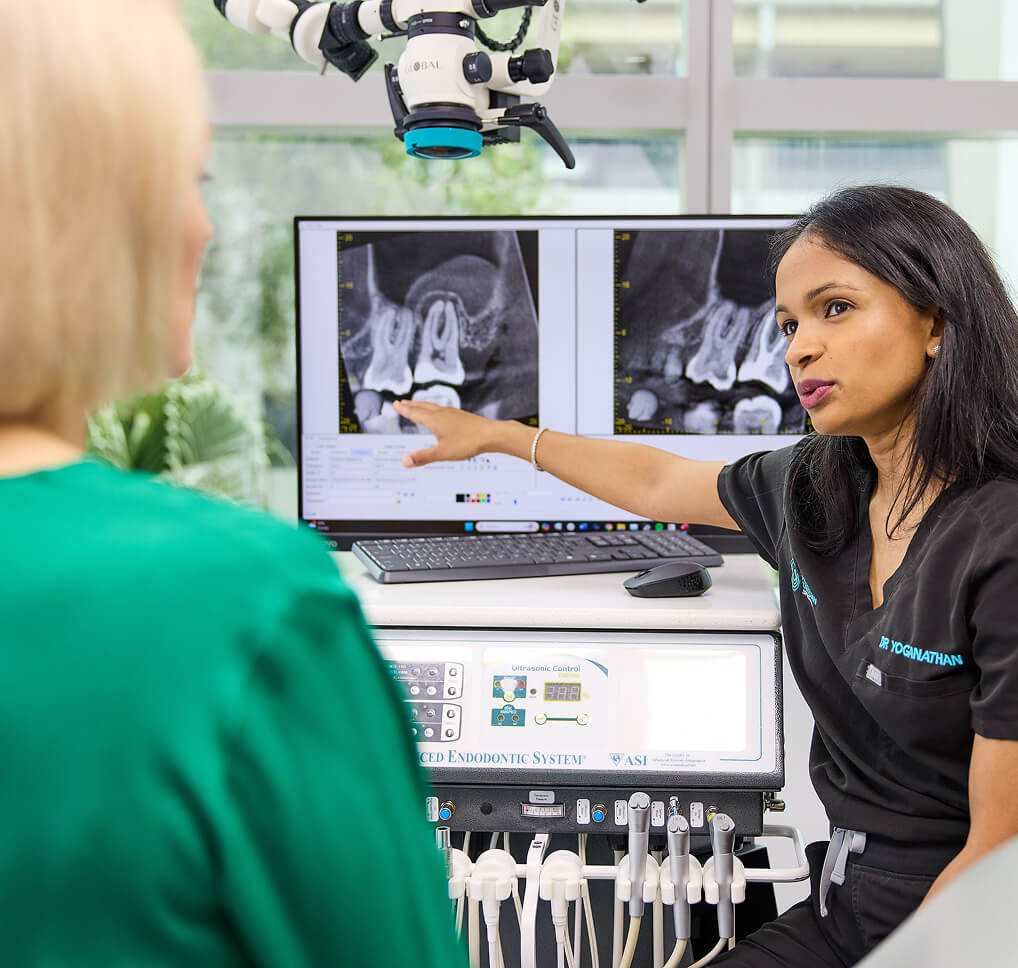
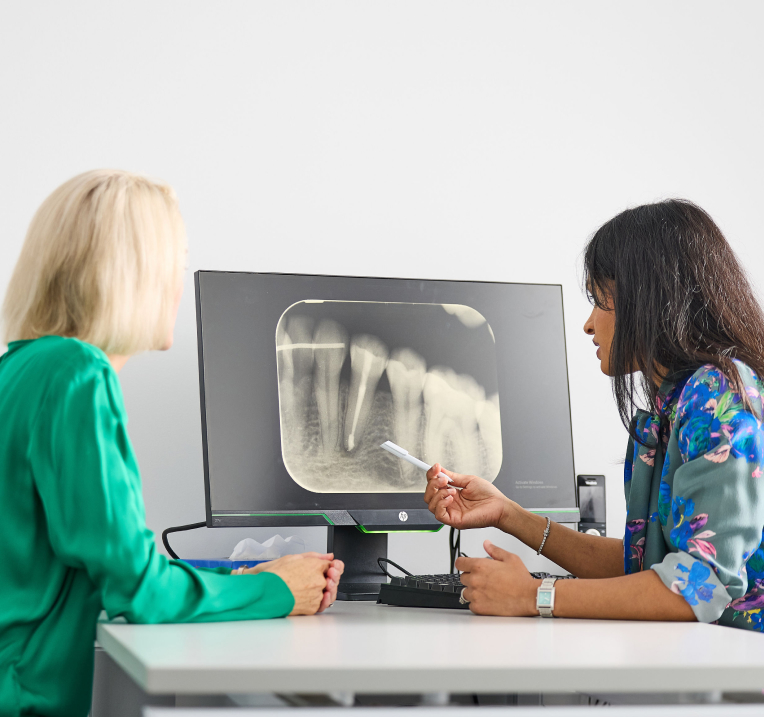
Your appointment begins with a thorough assessment. We perform a clinical examination, take digital X-rays, and in complex cases, use a 3D CBCT scan to see your root structure clearly. We then explain our findings, confirm the diagnosis, and discuss your treatment plan and all available options.

We ensure you are completely numb using modern, profoundly effective anaesthetic techniques. Your comfort is our priority.

For anxious patients, we offer a range of sedation options:

  • Nitrous Oxide (Happy Gas): Mild relaxation. You remain conscious and can drive home.
  • Oral Sedation: A tablet taken before the appointment for deeper relaxation. You will need a driver.
  • IV Sedation: Deep sedation ("twilight sleep") administered by a dental sedationist for severe anxiety. You will need a driver.

Using a surgical operating microscope, we create a small, precise access opening in the tooth's crown to reach the pulp chamber. This magnification allows us to preserve as much healthy tooth structure as possible.

This is the most critical phase of the treatment.

  1. Remove Infected Pulp: The damaged pulp tissue is gently removed.
  2. Precise Measurement: An electronic apex locator precisely measures the length of your root canals.
  3. Advanced Cleaning: Flexible, rotary instruments clean and shape the canals. These are much faster and more comfortable than traditional manual files.
  4. Thorough Disinfection: The canals are flushed with an antimicrobial solution. We use ultrasonic instruments and lasers to activate this solution, ensuring it reaches and disinfects every microscopic part of the canal system.

Technology Showcase

  • Surgical Operating Microscope: 25x magnification reveals canal anatomy invisible to the naked eye.
  • Waterlase from Biolase: (Er,Cr:YSGG) for cleansing and disturbing tenacious bacterial biofilm.
  • Ultrasonic Instruments: Enhanced cleaning effectiveness.
  • Digital Apex Locator: Precise canal length measurement.
  • Cone Beam CT (3D) Integration: A clear map for navigating complex anatomy.

Once spotlessly clean, the canals are filled. We use a biocompatible rubber-like material called gutta-percha. This material is heated and vertically compacted to create a complete, three-dimensional seal that locks out any future infection. A post-treatment X-ray confirms the canals are perfectly sealed.

The access opening is sealed with a temporary or permanent filling.

For most back teeth, a dental crown is essential. The crown acts like a shield, protecting the weakened tooth structure from fracturing under biting forces. This step is critical for long-term success and is typically completed by your general dentist 2-4 weeks after the root canal.

Will Root Canal Hurt?
Honest Answers About Pain and Comfort

Modern root canal treatment is typically no more uncomfortable than getting a routine filling. Here is the truth about pain before, during, and after treatment.

The Myth vs Reality of Root Canal Pain

The painful reputation of root canals comes from outdated procedures performed decades ago. The reality is that advanced anaesthesia and modern, gentle techniques have transformed the patient experience.
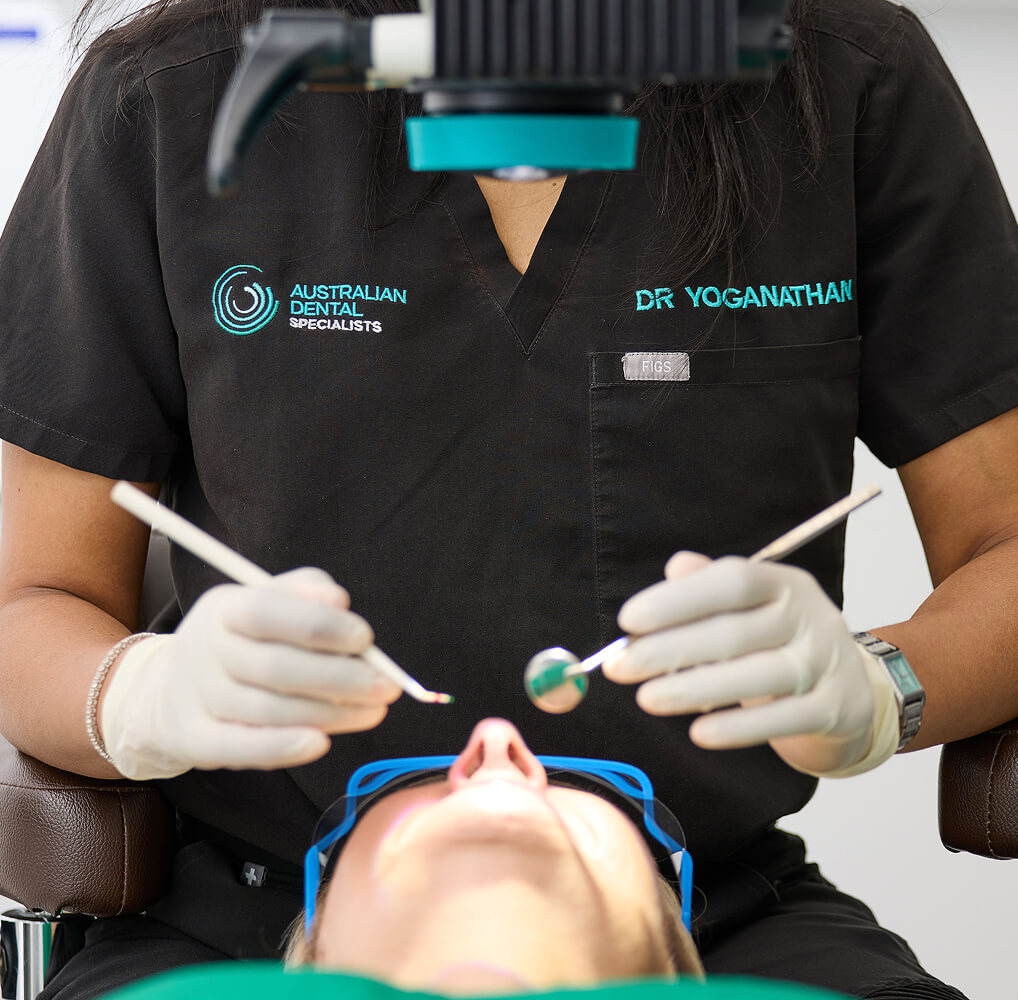
  • Before Treatment - The source of pain is the infection itself. This severe, throbbing pain is often what brings you to our practice.
  • During Treatment - With proper anaesthesia, you feel no pain. The procedure relieves the pain by removing the infection.
  • After Treatment - It is normal to feel mild to moderate soreness for 2-3 days as the surrounding tissues heal. This is easily managed with over-the-counter pain relief.
our dentists in action | Endodontist Clinic Sydney

Our Advanced Pain Management Approach

We use a multi-layered approach to ensure a comfortable experience.

We ensure you are completely numb before starting. For infected teeth that can be difficult to numb, we use multiple techniques and supplemental anaesthetics to guarantee profound numbness. We wait until the anaesthetic has taken full effect and verify you are numb before proceeding.

Our specialist equipment also improves comfort:

  • Surgical Operating Microscope: This allows for extreme precision, minimising tissue trauma.
  • Gentle Technique: Our specialist approach reduces post-operative inflammation.
  • Quiet Instruments: We use quiet ultrasonic, laser and rotary instruments, which reduces the anxiety associated with traditional drill sounds.
  • Patient Communication: You are in complete control. We use simple hand signals so you can tell us to pause or if you need anything at any time.

  • Nitrous Oxide (Happy Gas): Mild relaxation. You remain conscious and can drive home.
  • Oral Sedation: A tablet taken before your appointment for moderate relaxation. You will feel drowsy and need a driver.
  • IV Sedation: Deep sedation ("twilight sleep") administered by a dental sedationist. You will have minimal memory of the procedure.

  • During the Injection: A brief pinch or sting for 2-3 seconds as the anaesthetic begins to work.
  • During Treatment: Sensations of pressure, pushing, and water irrigation. You will not feel sharp pain.
  • Post-Treatment (First 24-48 hours): Tenderness when biting, a dull ache (mild to moderate), and possible jaw stiffness. This is all normal, indicates healing, and is manageable with standard pain relief like Ibuprofen and Paracetamol.

Call us today to secure your appointment.

Common Symptoms Requiring Root Canal

Early intervention improves success rates. While some symptoms are obvious, others can be subtle. Only a specialist can definitively diagnose the need for treatment.
  1. Severe, Persistent Toothache - Constant throbbing pain that worsens at night or radiates to your jaw or ear.
  2. Prolonged Sensitivity to Temperature - Sharp pain from hot or cold that lingers for more than 30 seconds after the source is removed.
  3. Tooth Discolouration - A darkening or greyish appearance of a single tooth, indicating internal pulp damage.
  4. Gum Swelling or Tenderness - A swollen area near the tooth or a persistent pimple-like bump on the gum (fistula), which may drain pus.
  5. Cracked, Chipped, or Traumatised Tooth - A recent trauma from a sports injury or accident, even without visible external signs, can damage the pulp.
  6. Previous Extensive Dental Work - A tooth with multiple or very large fillings can experience cumulative trauma to the pulp over time.

Warning Symptoms Table

Symptom Urgency Level Action Required
Severe constant pain EMERGENCY Contact immediately
Facial swelling EMERGENCY Contact immediately, infection risk
Fever with tooth pain EMERGENCY Contact immediately, systemic infection possible
Persistent sensitivity HIGH Schedule consultation within 1-2 weeks
Gum abscess/pimple HIGH Schedule consultation within 1-2 weeks
Tooth discolouration MODERATE Schedule evaluation within 1 month

Diagnostic Process
How We Determine If You Need Root Canal

We use a multi-layered approach to ensure a comfortable experience.
  • Clinical Examination - Visual inspection and gentle tapping (percussion) to assess inflammation.
  • Thermal Testing - Applying cold to the tooth to check the nerve's response. A lingering, painful response often indicates irreversible inflammation.
  • Digital X-rays - Reveals infection, bone loss, and the root structure.
  • 3D CBCT Scanning - Used in complex cases to provide a detailed 3D view of the root anatomy.

Root Canal vs Tooth Extraction

dental procedure | dental implants Sydney

When Root Canal Is the Better Choice

Root canal treatment is the recommended choice when the tooth has adequate structure, healthy gum support, and no severe fractures.

Long-Term Benefits:

  • Preserves Natural Tooth Function - No replacement performs as well as your natural tooth.
  • Maintains Jaw Bone - The natural root stimulates the jaw bone, preventing the deterioration that follows extraction.
  • Protects Adjacent Teeth - A root canal does not impact neighbouring teeth. A bridge, however, requires grinding down two adjacent healthy teeth.
  • Cost-Effective Long-Term - Avoids the ongoing replacement costs of implants or bridges.

With a 94-96% success rate for specialist-performed root canals, this treatment provides a reliable, long-lasting solution.

When Extraction May Be Necessary

Extraction is only recommended when a tooth cannot be saved. This includes cases of:
  • Extensive tooth fracture extending below the gum line.
  • Insufficient tooth structure remaining for a crown.
  • Severe root fracture.
  • Advanced periodontal (gum) disease with significant bone loss.
dental checkup | dental implants Sydney

Ready to Schedule Your Consultation?

If you're experiencing tooth pain or have been told you need root canal treatment, don't delay evaluation and care. Our fellowship-trained endodontists provide expert diagnosis, comfortable treatment using advanced surgical microscopes, and honest guidance about your options.

Root Canal Recovery
What to Expect After Treatment

Most patients return to their normal activities the very next day. Mild discomfort for 2-3 days is normal as the area heals.

dental checkup | dental implants Sydney

Immediately After Treatment

(First 24 Hours)

  • Numbness - The anaesthetic will wear off in 2-4 hours. Avoid eating until the numbness is gone to prevent biting your tongue or cheek.
  • Pain Management - We recommend taking a combination of Ibuprofen (400mg) and Paracetamol (500mg) every 6 hours for the first 24-48 hours. This combination is highly effective at managing post-treatment inflammation.
  • Eating - Stick to soft, cool foods for the first 24 hours (e.g., yoghurt, smoothies, soup). Avoid hard, crunchy, or sticky foods. Chew on the opposite side.

First Week Recovery

  • Day 2-3 - Discomfort typically peaks 24-48 hours post-treatment and then improves steadily. Continue pain medication as needed.
  • Day 4-7 - Most discomfort should be minimal. You can resume a normal diet but continue to avoid chewing very hard foods directly on the treated tooth.
  • Activities to Avoid - Do not smoke, as it delays healing. Avoid vigorous exercise for the first 24 hours.
dental checkup | dental implants Sydney
Dental checkup | Endodontist Clinic Sydney

Long-Term Care and Permanent Restoration

The final step is the most important for long-term success: the permanent restoration.

Critical Importance of a Timely Crown

  • Do not delay your crown. Posterior teeth are weakened after a root canal treatment and are at high risk of fracturing without a crown.
  • Timeline - The crown should be placed by your general dentist within 2-4 weeks.
  • Risk - Delaying the crown risks reinfection or a fracture that could cause the tooth to be lost.

Ongoing Care

Once your crown is placed, care for the tooth just as you would any other natural tooth: brush twice daily, floss daily, and attend regular 6-month checkups.

Frequently Asked Questions

A root canal is a dental procedure that removes infected or damaged pulp (the nerve and blood vessels) from inside your tooth. The specialist then cleans, disinfects, and seals the interior canal space to prevent reinfection. The procedure saves your natural tooth that would otherwise require extraction. Modern root canal treatment has a 94-96% success rate and is typically no more uncomfortable than a routine filling.

Common signs include severe toothache, prolonged sensitivity to hot or cold (lasting 30+ seconds after stimulus removed), tooth discolouration, or a swollen, tender gum. However, some infected teeth show no symptoms at all. Only a specialist can definitively diagnose the need for a root canal through clinical examination, thermal testing, and X-rays.

Antibiotics cannot cure a root canal infection because they cannot penetrate the sealed canal system where the bacteria live. Antibiotics may temporarily reduce swelling, but the infection will return once you stop taking them because the source (the infected pulp tissue) remains. Root canal treatment is necessary to physically remove the source of the infection.

Yes. An untreated tooth infection can spread to the surrounding jaw bone, forming an abscess. In rare but serious cases, bacteria can enter the bloodstream and affect the heart, brain, or other organs. Facial swelling or a fever with tooth pain are emergency symptoms requiring immediate medical attention.

Most routine root canal procedures take 60-90 minutes. Front teeth may be closer to 60 minutes, while complex molars with multiple canals may require 90 minutes or longer. Complex cases or retreatments may be split across two appointments.

  • Root Canal Retreatment: This is a specialist procedure to clean, disinfect, and re-seal a tooth that has failed to heal after a previous root canal treatment.
  • Root End Surgery (Apicoectomy): This is a microsurgical procedure that removes the infected tip of a tooth's root to save the tooth.
  • Internal Bleaching: This is an aesthetic treatment that whitens a discoloured or grey tooth from the inside out, often after the tooth has undergone root canal treatment.
  • Cracked Teeth: This involves a specialist assessment to determine if a fracture in a tooth has reached the pulp.
  • Regenerative Endodontic Procedures: This is an advanced treatment for children and young adults that uses the body's own stem cells to heal.

We offer timely appointments to ensure you receive the care you need when you need it. From endodontics to periodontal therapy, our specialists manage every aspect of your dental health with expertise and comprehensive post-operative support.

Your smile is our priority—experience the difference with our specialist care today.

© 2025 Australian Dental Specialists | Privacy

Site by Luna Digital Marketing