Cracked or Broken Tooth Repair in Sydney

Not all cracked teeth require a root canal. The correct treatment depends entirely on the crack's depth, and specialist microscopic assessment is essential to determine if the tooth's pulp (nerve) is affected. Australian Dental Specialists use this technology to help Sydney patients avoid unnecessary extractions.
  • Microscopic Diagnosis - We use advanced microscopes to see cracks invisible to general dentists, determining with precision if your tooth can be preserved.
  • Higher Success Rates - Our specialist approach achieves 8-12% higher success rates for saving teeth than general dentistry.
  • Cost-Effective Solution - Saving your tooth is typically less expensive than a tooth extraction and dental implant.

That sharp pain when you bite down is frightening. You're suddenly afraid to eat, and you're not even sure which tooth is the problem.

Not all cracked teeth require a root canal. The correct treatment depends entirely on the crack's depth, and specialist microscopic assessment is essential to determine if the tooth's pulp (nerve) is affected.

Australian Dental Specialists use advanced microscopic technology to diagnose exactly how deep a crack goes, determining with precision if your tooth can be preserved. We help Sydney patients avoid unnecessary extractions.

Cracked Tooth Treatment

Understanding Tooth Cracks From Harmless to Emergency

Tooth cracks exist on a spectrum. They range from harmless cosmetic lines to serious structural damage requiring immediate help. Many patients find the experience confusing. The pain comes and goes, making it hard to pinpoint which tooth is the problem.

The diagnostic challenge is real. General dentists often cannot see the cracks that endodontists detect with surgical microscopes. In fact, research shows 68% of vertical cracks detected by endodontists are completely invisible during standard dental exams.

These are shallow surface cracks only in the outer enamel. They look like tiny vertical lines and are extremely common in adults over 40. They are purely a cosmetic concern. They do not cause pain and do not require a root canal.

These cracks typically develop around dental fillings. While they usually don't affect the tooth's pulp, they still need professional assessment. You might feel moderate pain when chewing or notice a rough edge with your tongue. A root canal is only needed if the crack extends into the pulp chamber. Typical treatment is a new crown or onlay.

This is a vertical crack that extends from the chewing surface down toward the root. This type demands specialist microscopic evaluation. Symptoms include sharp pain when biting and releasing pressure, intermittent discomfort, and temperature sensitivity.

These cracks are often invisible on standard x-rays. If the crack reaches the pulp, a root canal is essential to save the tooth. This is urgent. Untreated cracks worsen with chewing pressure and can deepen significantly within 6 months.

This is what happens when a cracked tooth is left untreated. The crack has completely divided the tooth into distinct segments. This causes severe pain and you won't be able to chew on the tooth.

Extraction is often required. In some cases, an endodontist can save one segment of the tooth with root canal treatment. This is only possible if the crack does not extend too far below the gum line.

This is a very challenging crack that begins in the root and extends up toward the chewing surface. Symptoms are often minimal at first, with an infection developing over weeks or months.

It is often misdiagnosed as a failed root canal because it frequently occurs in previously treated teeth. Diagnosis requires 3D imaging (CBCT). Treatment may involve root end surgery (apicoectomy) or extraction if the crack is too extensive.

Call us today to secure your appointment.

Call us today to secure your appointment.

Warning Signs Your Cracked Tooth Requires Specialist Attention

Minor cracks might cause no symptoms. But cracks extending into the tooth pulp create distinctive pain patterns. Understanding these helps you know when to seek specialist evaluation.

This is the hallmark symptom of a cracked tooth. You feel a sharp, intermittent pain when you bite down, and often again when you release the pressure. This occurs because the crack is flexing, irritating the pulp (nerve). This indicates the crack has likely reached the sensitive inner tissue.

This isn't just a brief "zing." This is lingering pain that lasts 30 seconds or more after exposure to hot or cold. It suggests the crack has reached the pulp chamber, exposing the nerve. This is a sign of progressing inflammation.

A pimple-like bump (abscess) on the gum near the cracked tooth is a dental emergency. It means bacteria have entered the pulp through the crack. The infection is spreading into the surrounding bone and tissue. You may notice pus drainage or a bad taste.

If a previously mild discomfort suddenly becomes a severe, constant throbbing pain that pain medication cannot control, contact us immediately. This often means the pulp inflammation has become irreversible and the nerve is dying.
dental checkup | dental implants Sydney

Self-Assessment Checklist

  • Do you have sharp pain when biting or releasing pressure?
  • Do you have temperature sensitivity that lasts 30+ seconds?
  • Is there swelling or a pimple on the gum near the tooth?
  • Is the pain preventing sleep?
  • Is the pain intermittent and hard to locate?

If you checked two or more items, schedule a specialist crack assessment. If you have gum swelling or pain preventing sleep, contact us immediately for same-day emergency care.
When Does a Cracked Tooth Require a Root Canal?

The short answer is no, not always. Whether a cracked tooth needs a root canal depends entirely on the crack's depth and extent.

When Root Canal Treatment is Necessary

A root canal is crucial if the crack has penetrated deep enough to expose or infect the pulp (nerve chamber). Signs this has happened include severe spontaneous pain, prolonged sensitivity, pain that wakes you from sleep, or gum swelling.

When Root Canal Treatment May Not Be Needed

Superficial cracks (craze lines) that only affect the outer enamel do not require a root canal. A fractured cusp that breaks off the chewing surface often only needs a crown, as long as the pulp is not involved.

The Critical Importance of Specialist Assessment

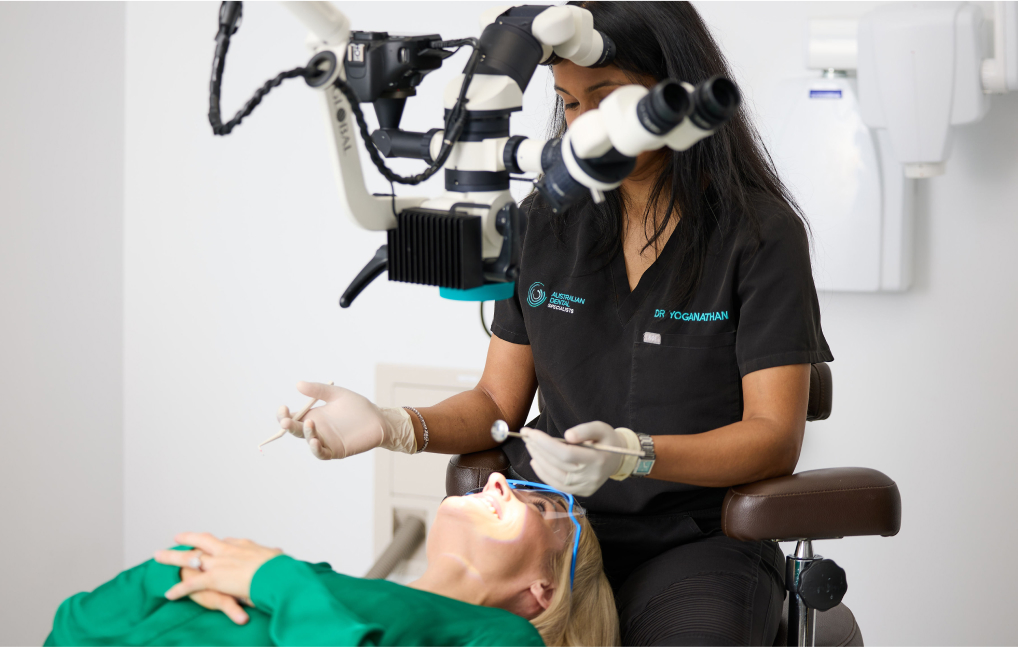
Only a specialist can make the right call. Endodontists use surgical operating microscopes (providing 3-25x magnification) to see cracks that are invisible to the naked eye. This precision allows us to accurately determine if a root canal is necessary, or if a simpler treatment will work. We also use 3D cone beam CT scans to reveal crack patterns that traditional X-rays miss.
dental checkup | dental implants Sydney

How Specialists Treat Cracked Teeth The Endodontic Approach

When a crack extends into the pulp, our treatment follows a precise protocol. We eliminate the infection, seal the crack pathway, and reinforce the tooth structure. This specialist approach offers significantly higher success rates.

Microscopic Diagnosis We use dental operating microscopes at 20-25x magnification. This allows us to identify the complete crack pathway, ensuring all infected tissue is accessed and no additional cracks are missed during treatment.

The infected pulp tissue is carefully removed from all root canals. We use ultrasonic activation to ensure bacteria are eliminated even from the microscopic crevices of the crack itself.

The root canal system is sealed with a heated, rubber-like material called gutta-percha. This creates a hydraulic seal within the crack pathways, which prevents bacteria from re-entering. We then bond composite resin to the internal tooth structure to provide reinforcement.

After a root canal, a cracked tooth absolutely requires a full-coverage crown. This is the most critical step for long-term survival. The crown holds the tooth together, distributes biting forces evenly, and prevents the crack from extending further. A cracked tooth with a root canal and crown has an 85-92% survival rate at 10 years.

Cracked Tooth Treatment vs Extraction

Deciding between saving a cracked tooth or extracting it involves clinical, functional, and financial factors. Extraction may seem simpler, but the long-term costs and health impacts often favour preservation.
When Your Tooth Can Be Saved

Most cracked teeth can be saved. The main factors favouring preservation are when the crack is above the bone level, there is enough tooth structure for a crown, and the surrounding bone is healthy. A specialist opinion is critical. General dentists often recommend an extraction for cracked teeth that endodontists can successfully save using microscopic technology.

The Long-Term Health Impacts of Extraction

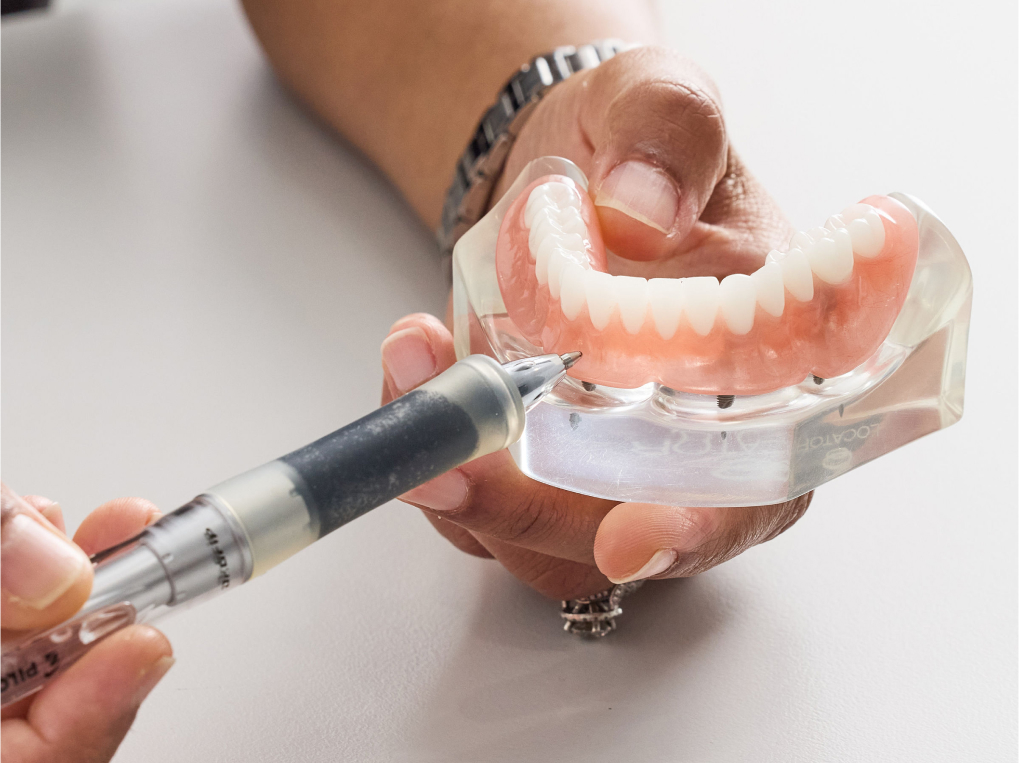
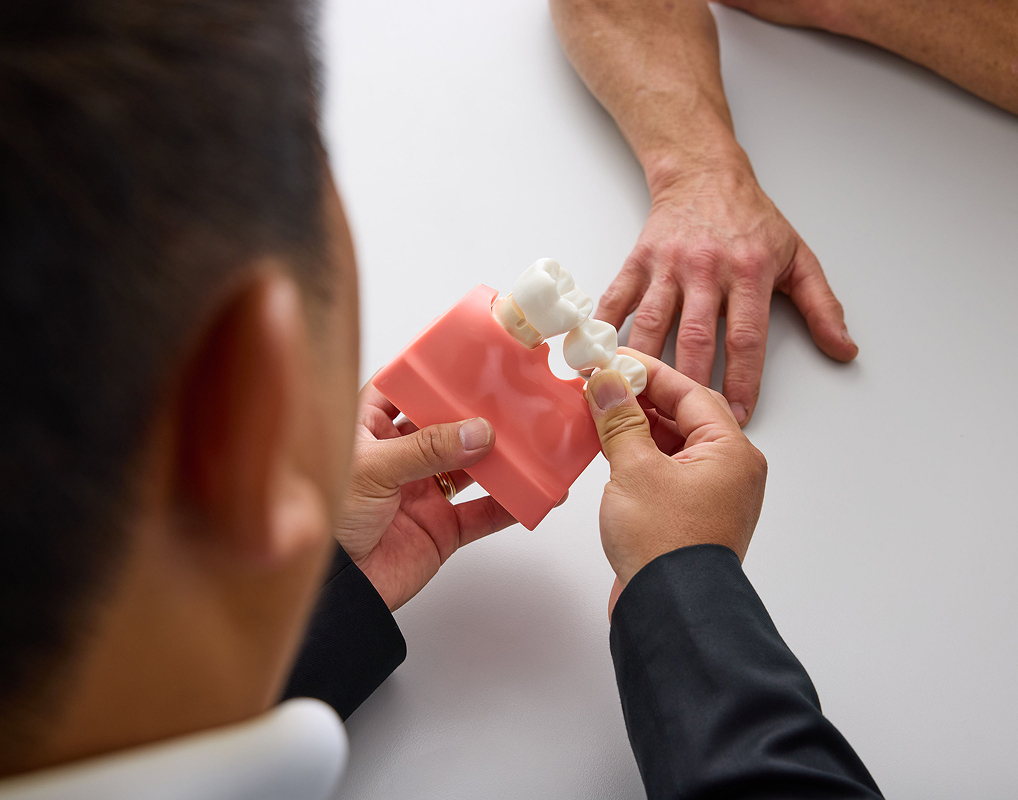
Losing a tooth is not a simple fix. Extraction leads to 25% bone loss in the first year, causing adjacent teeth to shift and creating bite problems. This also reduces your chewing efficiency. Replacing the tooth is expensive, often requiring a dental implant or a bridge (which involves grinding down adjacent healthy teeth).

A Financial Comparison 
(15-Year Analysis)

Option 1

Root Canal + Crown This is a one-time treatment with an 88% 10-year success rate. It remains a cost-effective long-term solution for preserving the natural structure of your smile.


Option 2

Extraction + Dental Implant This approach involves a 6–12 month treatment timeline. While effective, it generally requires a higher financial investment over a 15-year period compared to tooth retention.


Conclusion
When clinically possible, saving your natural tooth offers superior health outcomes and lower lifetime costs.
A Financial Comparison

Emergency Protocol on What to Do If Your Tooth Cracks

A sudden crack from biting something hard or an injury can be alarming. Your immediate actions can make the difference between saving and losing the tooth.

Rinse and Inspect Rinse your mouth gently with warm water. Look for visible crack lines or broken pieces. Do not probe the crack with your tongue or fingers, as this can worsen the fracture.

Take over-the-counter anti-inflammatory medication (like ibuprofen) if you are able to. Apply a cold compress to your cheek (15 minutes on, 15 minutes off). Avoid chewing on that side completely and stick to soft foods.

Contact our emergency line for a same-day appointment if you have:

  • Severe pain (7+ on a 10-point scale)
  • Visible pimple or swelling on the gum near the cracked tooth
  • Pain that prevents you from sleeping
  • A large piece of the tooth has broken off
  • Fever accompanying the tooth pain

Don't Wait for the Crack to Worsen

If you are experiencing any symptoms of a cracked tooth, timely specialist assessment provides the best chance of saving your tooth and avoiding more complex procedures. Contact us for an immediate assessment.

How to Prevent Tooth Cracks

Understanding the risk factors can significantly reduce your likelihood of developing cracks.

This is the "silent tooth cracker". 70% of cracked teeth occur in patients who grind their teeth, often unknowingly during sleep.

  • Prevention: A custom nightguard is the most effective prevention.

Teeth with fillings covering more than 50% of the chewing surface are 12 times more likely to crack. Old metal fillings also expand and contract with temperature, creating stress fractures.
  • Prevention: Proactively replacing large, old fillings with crowns or onlays can prevent a catastrophic crack.

Avoid high-risk habits like chewing ice, hard lollies, nuts, and popcorn kernels. Never use your teeth as tools to open packages.

Why Choose an Endodontist for a Cracked Tooth

When your tooth's future is on the line, specialist care makes a measurable difference.

The Diagnostic Technology Advantage

Endodontists use surgical operating microscopes for every procedure. This 25x magnification reveals tiny cracks, fractures, and extra canals that are completely invisible to the naked eye. We use 3D CBCT imaging to see the crack's path in three dimensions, something a standard 2D x-ray cannot do.

The Specialist Training Advantage

Endodontists complete an additional 2-3 years of intensive postgraduate training exclusively in root canal treatment and diagnosis of tooth pain. We perform 15-20+ root canal treatments every week, while a general dentist may perform only a few per month.

The Success Rate Advantage

This combination of technology and experience leads to higher success rates. Research shows endodontists successfully save 85-92% of cracked teeth that general dentists might recommend extracting.

Frequently Asked Questions

Not all of them. Surface cracks (craze lines) often only need cosmetic bonding or a crown. However, if the crack extends into the tooth pulp (nerve), root canal treatment is necessary to eliminate infection and save the tooth. Endodontists use microscopes and 3D imaging to determine the exact crack depth.

Vertical tooth cracks are often invisible on standard 2D dental x-rays. Endodontists use specialised 3D CBCT imaging and high-powered surgical microscopes to visualise crack pathways that x-rays cannot detect. This is why specialists can diagnose 68% more cracks than general dentists.

Urgency depends on the symptoms. You should seek same-day emergency care if you experience severe pain, gum swelling, or visible infection. Schedule a specialist assessment within one week for moderate pain when biting or temperature sensitivity. Untreated cracks worsen over time, so professional evaluation is always recommended.

Untreated cracked teeth progressively worsen. The crack extends deeper into the root with continued chewing pressure. This eventually causes pulp infection, a complete tooth split, bone loss, or a spreading infection. Early specialist treatment prevents these complications and saves the tooth.

Biting pressure causes the crack's segments to flex and separate slightly, which irritates the tooth pulp (nerve). When you release the pressure, the segments snap back together, often creating a sharp pain. This pain pattern is a key diagnostic sign that the crack has reached sensitive tissue and needs specialist evaluation.

Most cracked teeth can be saved with specialist endodontic treatment. A tooth is usually unsavable only if the crack extends below the bone level, the tooth is split completely, or there isn't enough structure left for a crown. Endodontists successfully save 85-92% of cracked teeth that general dentists may recommend extracting.

A crack is a structural fracture, while a cavity is bacterial decay creating a hole.

  • Cracked tooth symptoms: Sharp pain when biting or releasing pressure, intermittent discomfort.
  • Cavity symptoms: Constant dull ache, sensitivity to sweets, visible hole or dark spot. Both can require a root canal if they reach the pulp.

Most cracked tooth root canal treatments are completed in a single 60-90 minute appointment. This includes anaesthetic, crack assessment, pulp removal, and sealing the canals. You will then receive a permanent crown 2-3 weeks later.

Root canal treated teeth can become more brittle because the internal pulp and blood supply are removed. This is why crowns are essential after root canal treatment. They protect the weakened tooth from fracture. Teeth with a root canal but no crown are 6 times more likely to crack.

Waiting is risky. Cracks progressively deepen with continued chewing pressure, typically worsening 15-25% within 6 months. A crack that is treatable with a root canal today may require extraction in 6-12 months if left untreated. Emergency treatment is needed for severe pain or swelling.

Yes. "Cracked tooth syndrome" (the sharp, hard-to-diagnose biting pain) is cured by identifying and treating the crack. If the crack is shallow, a crown usually eliminates the symptoms. If it has reached the pulp, a root canal plus a crown is required. Specialist microscopic examination is key to finding the crack and providing a definitive cure.

Full-coverage crowns that completely surround the tooth provide the best protection. For back teeth (molars), strong materials like porcelain-fused-to-metal or zirconia are best. For front teeth, all-ceramic crowns offer superior aesthetics.

Specialist-performed root canal treatment on cracked teeth has an 85-92% success rate at 10 years, as long as it is followed by a crown. Success depends on the crack's location (above the bone), timely crown placement, and good oral hygiene.

Modern root canal treatment is pain-free. Local anaesthetic completely numbs the tooth before treatment begins. Patients typically feel pressure sensations but no pain. Post-treatment discomfort is mild and easily controlled with over-the-counter pain medication for 1-3 days.

No. Tooth cracks cannot heal or repair themselves. Teeth lack the regenerative cells that repair bone fractures. Deeper cracks will typically propagate (worsen) over time with chewing pressure. Professional sealing with a crown prevents the crack from extending, but the crack itself remains.

Age-related cracking occurs from cumulative stress. This includes decades of chewing, enamel becoming more brittle after age 50, large fillings weakening the tooth structure, and nighttime grinding. Preventive crowns on heavily filled teeth and nightguards for grinders can reduce this risk.

Prevention strategies include:

  • Wearing a custom nightguard if you grind your teeth
  • Placing crowns on teeth with large, old fillings
  • Avoiding chewing ice, hard lollies, nuts, and popcorn kernels
  • Never using your teeth to open packages
  • Wearing a mouthguard during contact sports.

You should see an endodontist (a root canal specialist) if you have pain when biting, if your dentist suspects the crack may reach the pulp, or if you've been told extraction is the only option. Endodontists have the specialised training and microscopic technology to treat complex cracks that general dentists cannot.

Related Treatments and Information

Root Canal Treatment icon symbol | Endodontist Clinic Sydney
Root Canal Treatment
Learn about the comprehensive root canal procedure that saves an infected tooth.
dental implant icon | dental implants Sydney
Root End Surgery (Apicoectomy)
For cracks or infections that persist at the very tip of the root.

We offer timely appointments to ensure you receive the care you need when you need it. From endodontics to periodontal therapy, our specialists manage every aspect of your dental health with expertise and comprehensive post-operative support.

Your smile is our priority—experience the difference with our specialist care today.

© 2025 Australian Dental Specialists | Privacy

Site by Luna Digital Marketing