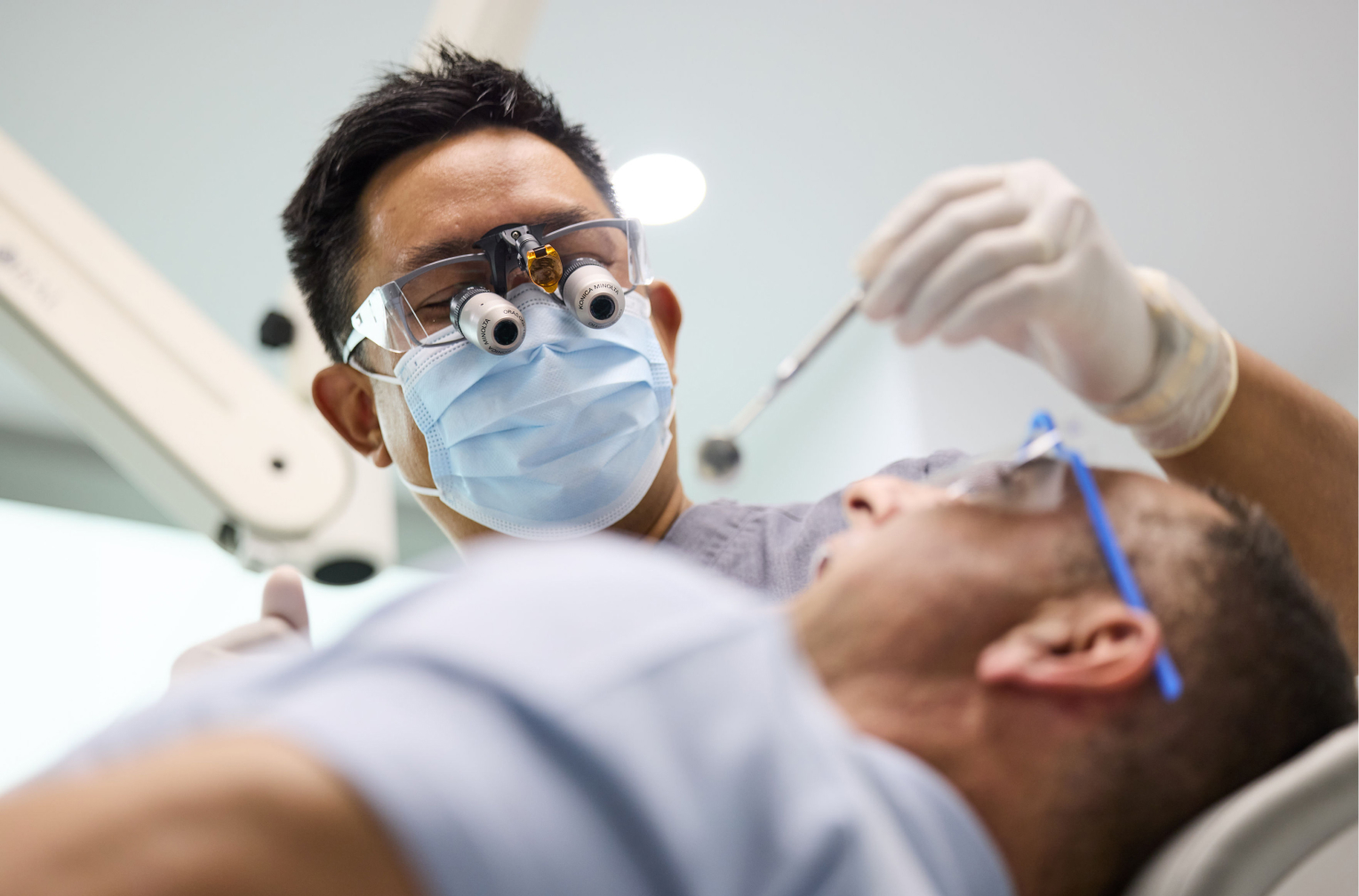
Crown lengthening is a surgical procedure that involves removing or displacing gum tissue. It is often done in order to expose more of the tooth above the gumline, thus addressing the appearance of excess gum tissue and a ‘gummy smile’.
As a restorative dental procedure, crown lengthening can be done for aesthetic purposes or to prepare for another dental procedure, such as tooth crowning. Crown lengthening can also be done to expose more of the tooth in order to reduce or prevent tooth decay.
Your general dentist may refer you for this procedure when there is insufficient visible tooth to support a restoration. This typically occurs in a few specific situations.
By removing a small amount of tissue, your periodontist exposes the healthy tooth so your dentist can successfully complete the restoration.
This procedure reshapes the tissue to reveal more of your natural teeth. It is a highly effective treatment for several aesthetic concerns.
Dr Jeremy Vo works closely with your general dentist or prosthodontist to plan the ideal gum line, particularly when crown lengthening is part of a larger smile makeover involving veneers or crowns.


Your periodontist will provide detailed aftercare instructions and schedule follow-up appointments to closely monitor your healing.
Crown lengthening surgery might be done for one of a number of reasons. It can be done to improve the appearance of excess gum tissue and provide a more symmetrical smile, making the teeth appear longer and more balanced. It can also be done to expose cavities, decay or broken areas of teeth; or to expose more tooth structure in preparation for another dental procedure, such as tooth crowning.
A gummy smile refers to a smile that reveals excess gum tissue. This can lead to an un-aesthetic smile. One such cause of a gummy smile is when the gums excessively grow over the teeth, leading to the appearance of small teeth. Fortunately, this situation can be easily enhanced with a minor gum procedure called crown lengthening.
A gummy smile can occur as a result of genetics - for example if you have a larger upper jaw than usual - or due to other factors such as poor dental hygiene. Reasons why you might develop a gummy smile include:
Crown lengthening surgery can help to improve the appearance of a gummy smile.
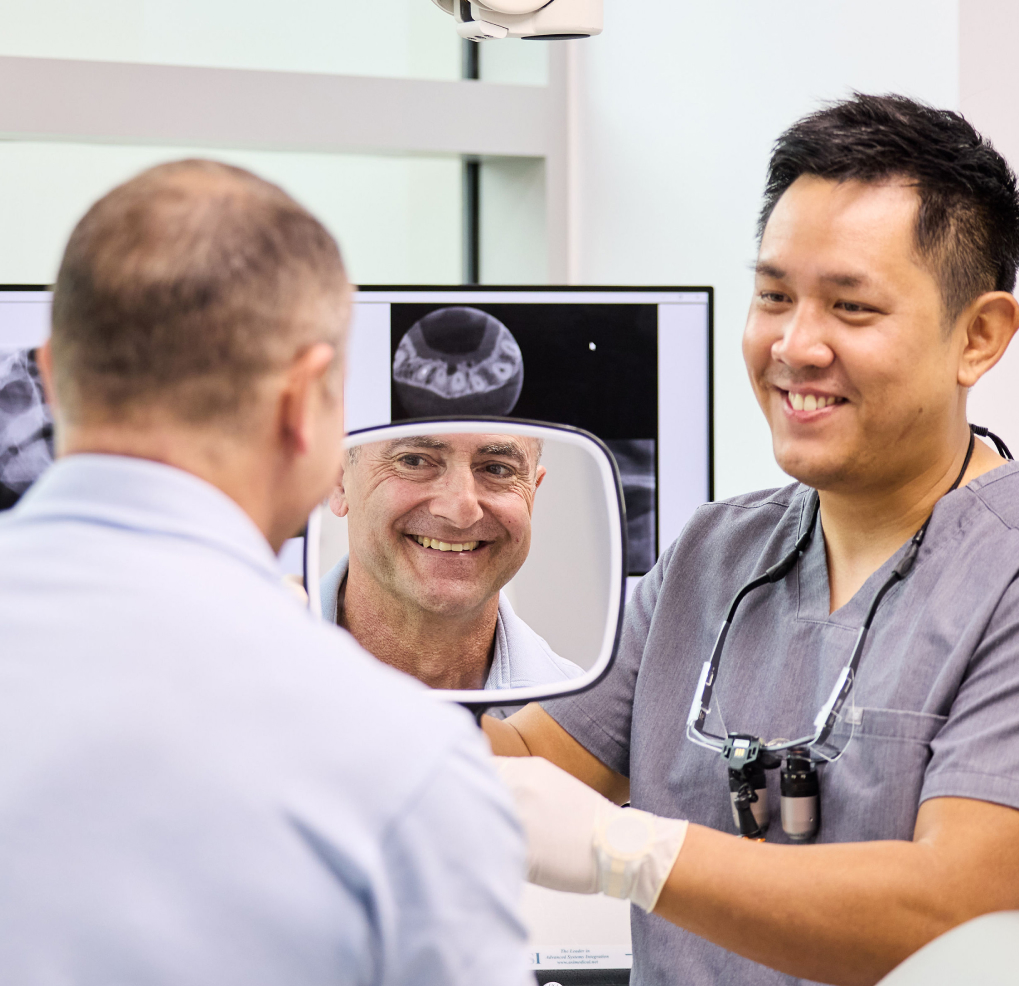
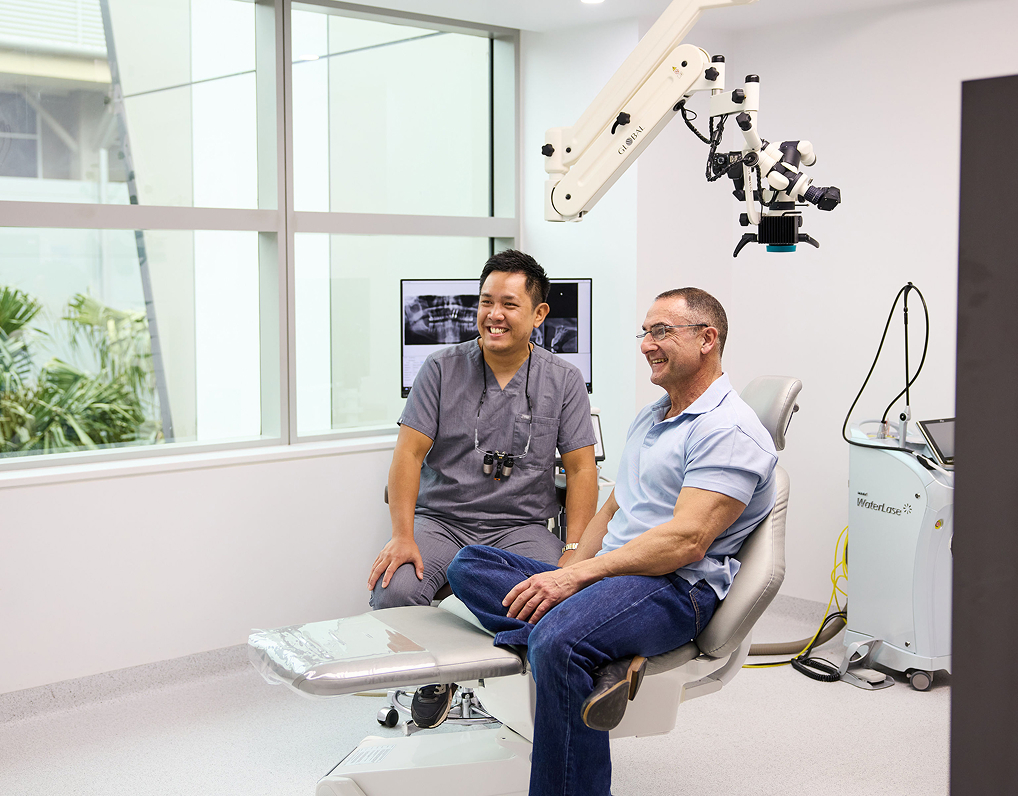
Gingival recession, or receding gums, can be identified by the exposure of the roots of your teeth. Although a receding gum line is more common in adults over the age of 40, it can also happen among teenagers or older children aged 10 and up. It can also occur in young adults after orthodontic treatment.
The most common symptom of gum recession is increased sensitivity to hot and cold foods, but if left untreated the appearance of your smile can be altered due to the illusion of ‘longer’ teeth.
Fortunately, periodontists such as Dr Jeremy Vo can restore your gums’ health and reverse gum recession.
The most common causes of receding gums include:
In more severe cases, a gum graft can be utilised to cover the exposed root surface and help protect the longevity and appearance of your tooth.
There are a few main reasons why you be a good candidate for crown lengthening surgery, including:
You should discuss this with your dentist to discern whether or not crown lengthening is right for you.
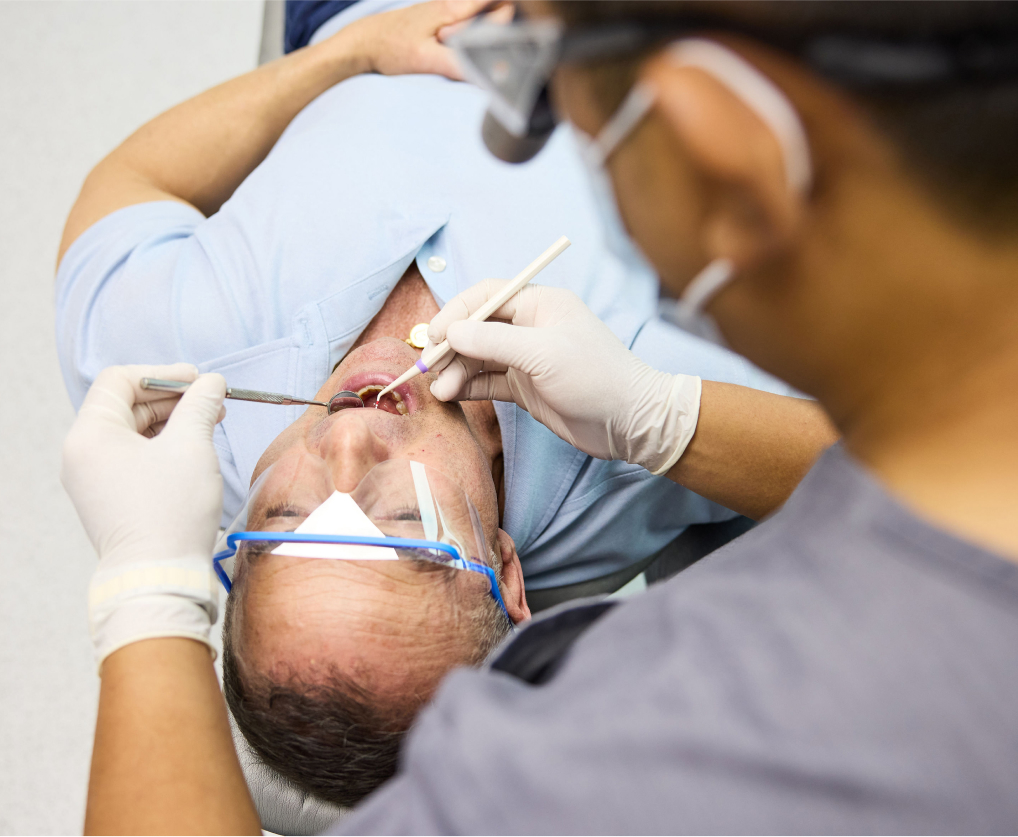
There are a few different techniques for crown lengthening procedures that require slightly different processes. In each case, the treatment involves a dentist removing or reshaping gum tissue and possibly bone tissue as well.
A gingivectomy procedure is the removal of gum tissue using a scalpel, laser or electrically heated instrument. Local anaesthetic will be used and a few days recovery time will usually be needed.
A gingivectomy can help to shorten the height of the gums and create more symmetry in the gum line, and the soft tissue should be healed within 4-6 weeks.
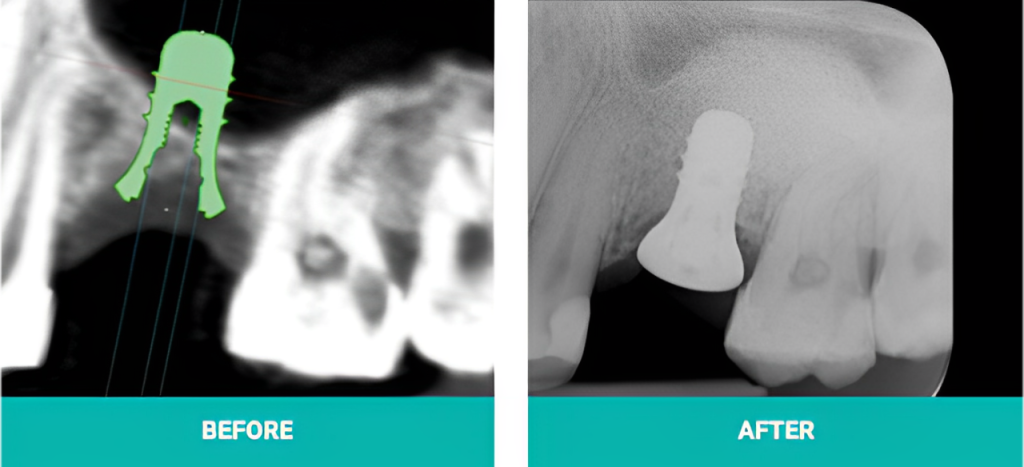
One of the main requirements for dental implants is the volume of available bone to allow successful and safe implant installation. However, one of the consequences of tooth loss is also the long term loss of supporting jaw bone. This can complicate dental implant surgery. To regrow your lost bone tissue, periodontists perform a procedure called bone grafting to make implant treatment possible and safer. Dr Jeremy Vo is specially trained in bone grafting techniques.
Once the bone graft has matured, the benefits of bone grafting include:
A gum tissue graft is often performed to protect your mouth from the effects of gum recession, and can also help to improve the appearance of your gums. It is a different process to crown lengthening, because it usually aims for the opposite results (more gum tissue as opposed to less).
There are three different techniques used for gum tissue grafts:
Another method of addressing gum recession is to apply a composite resin to the gums in order to cosmetically improve the appearance of the gums and cover the roots of the teeth. This method involves selecting a colour that matches the gums of the patient, applying an adhesive and then attaching the gingival composite.
These restorations are able to increase the size of the gums without the need for gum tissue graft surgery.
Tissue stimulating proteins can be used to help regenerate gum tissue and improve support after bone grafting surgery. These aids can be used to restore lost or damaged tissue after being treated for gum recession or bacteria growth.
For further reading on the research, learn more at "Case study: gingival recession treatment".
Before committing to a crown lengthening procedure, you should discuss your concerns with your dentist to determine whether or not it’s right for you.
In preparation for crown lengthening treatments, you should maintain good levels of dental hygiene, including:
Before the surgery, you will have a periodontal consultation in which the periodontist will perform an analysis to determine the size and shape of the new gum line that is appropriate for your mouth.
During a crown lengthening treatment, a periodontist or dentist will remove excess gum tissue from your mouth.
The procedure will depend on the technique that is selected for you based on your individual needs. Three of the most common techniques are:
The technique that the periodontist selects for you might be based on:
The type of aftercare that is required will depend on the technique that was used, so your dentist will advise you on what to do during your recovery.
The procedure itself should not be painful because anaesthetic will be used, but you may experience some minor pain, bleeding and swelling for a few days afterwards. Your dentist may recommend that you take anti-inflammatory medication, use a cold compress or use antiseptic mouthwash. You should also only eat soft foods and rinse your mouth out after eating.
Full healing after crown lengthening surgery can take up to six months.

Your first visit is a detailed clinical examination and treatment plan discussion, where several options and scenarios will be presented. You will have the opportunity to discuss any specific concerns that you may have.

Periodontitis (also known as gum disease) results in the progressive destruction of supporting structures of teeth, which includes not only the gums, but additionally the supporting jaw bone.

Dental implants are artificially made teeth that are placed into the jaw that look, feel and perform like natural teeth. They can be used to replace one tooth, several teeth or a whole arch.
We offer timely appointments to ensure you receive the care you need when you need it. From endodontics to periodontal therapy, our specialists manage every aspect of your dental health with expertise and comprehensive post-operative support.
Your smile is our priority—experience the difference with our specialist care today.
© 2026 Australian Dental Specialists | Privacy
Site by Luna Digital Marketing
