Root Canal Retreatment

Failed Root Canal in Sydney? Don't Lose Your Tooth. See a Specialist.

Root canal retreatment is a specialist procedure to fix a failed root canal, providing a second chance to save your natural tooth. It is designed to find and fix the original problem, often caused by missed canals or an incomplete seal.
  • High Success Rates - Specialist-led retreatment using 3D imaging has a 78-84% success rate in saving the natural tooth.
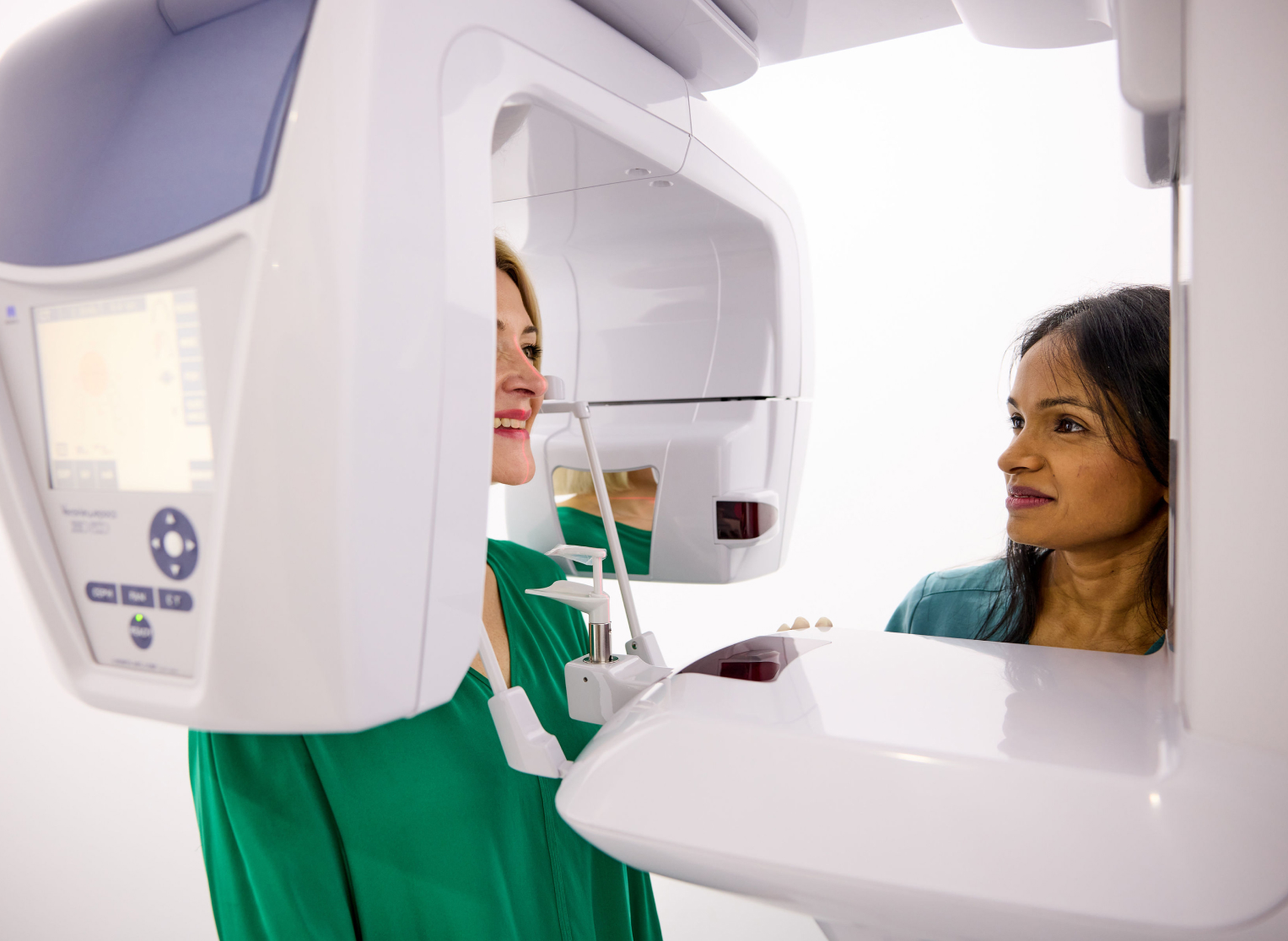
  • Specialist Technology - We use 3D CBCT imaging and 20-25x magnification to find and treat microscopic issues missed by general dentists.
  • The Goal - Our priority is to save your natural tooth. This is less invasive and more cost-effective long-term than extraction and an implant.

Dealing with pain from a tooth that's already had a root canal is more than frustrating. You may have been told the only option is extraction. We offer a better alternative.

Specialist root canal retreatment is a highly precise procedure designed to find and fix the original problem, giving you a second chance to save your natural tooth. Before you make a permanent decision, let our specialist endodontists show you what's possible.

Call us today to secure your appointment.

Call us today to secure your appointment.

Common Causes Why Root Canal Treatments Fail

If your tooth hurts again, it is not your fault. Root canal treatment has a high initial success rate, but 5-15% of teeth can develop problems months or even years later. Understanding why a treatment might fail helps you see how retreatment is designed to fix a specific, correctable issue.

Failure is often due to the incredibly complex anatomy inside your tooth, with microscopic branches that are invisible to the naked eye.

Teeth often have complex internal anatomy with extra root canals. For example, some upper molars have four or five canals instead of the expected three. These canals can be microscopic or hidden by calcification. If one of these canals is missed during the initial treatment, the bacteria inside it remain, causing a persistent, low-grade infection that eventually causes symptoms.

Specialist Solution
Our dental operating microscopes provide 20-25x magnification, allowing us to find these tiny, hidden canals that are invisible to standard dental loupes (2.5x magnification).

A root canal system is not a simple pipe. It can have complex webs, fins, and lateral branches. If these areas are not thoroughly cleaned, bacteria can remain and cause the treatment to fail. This can happen if a canal is very curved, blocked by calcification, or if the disinfection time was too short.

Specialist Solution
We use advanced ultrasonic instruments and irrigation protocols. These tools activate the disinfecting fluids, creating sound waves that blast bacteria out of microscopic crevices that instruments cannot reach.

A root canal can be technically perfect, but if the final crown or filling leaks, bacteria from your saliva can get back inside the tooth. This is a very common cause of failure, especially if there was a long delay between the root canal and the placement of your final crown.

Specialist Solution
We use warm vertical compaction to create a dense, three-dimensional seal. We also emphasise the critical need for a high-quality, permanent crown to be placed within 4 weeks of treatment completion.

Sometimes the problem is a structural issue, such as a vertical root crack, a perforation (a small hole) from the original procedure, or root resorption. These issues create pathways for bacteria to invade and are often impossible to detect without microscopic magnification.

Specialist Solution
Our microscopes allow us to identify these structural problems. If a crack or perforation is found, we can often repair it with bioactive materials as part of the retreatment, saving a tooth that would otherwise be lost.

In some cases, specific types of bacteria (like Enterococcus faecalis) form resilient, sticky colonies called biofilms. These biofilms can be highly resistant to standard disinfection protocols and may survive the initial treatment, causing a persistent infection.

Specialist Solution
Specialist retreatment often involves placing a powerful antibacterial medication (calcium hydroxide) inside the canal for 2-4 weeks. This extended contact time is highly effective at killing these resistant bacteria and breaking down their protective biofilm.

During the original procedure, complications can occur. A tiny instrument file may separate and block the canal, or a 'ledge' (a small shelf) may be created in a curved canal, preventing instruments from reaching the tip.

Specialist Solution
We use specialised ultrasonic instruments and microscopic guidance to safely remove most separated instruments and navigate around or bypass ledges to clean the entire canal.

What Are the Signs of a Failed Root Canal?

You may be experiencing one or more of the following:

  • Pain Returning - Persistent, returning, or new pain in the treated tooth.
  • Swelling or Pimple on Gum - A small bump (called a fistula) may appear on the gum near the tooth root.
  • X-ray Evidence - Your dentist may spot a new dark area (radiolucency) on an X-ray, indicating infection.
dental checkup | dental implants Sydney

The Specialist Retreatment Process

Our process is designed for precision.

  1. 3D CBCT Imaging - We start with a 3D scan to see your tooth's exact anatomy. This allows us to pinpoint the infection and identify any missed canals from the original treatment.
  2. Precise Access - We work through the existing crown (if possible) using a specialist microscope. This provides 20-25x magnification to see deep inside the tooth.
  3. Advanced Disinfection - We use advanced ultrasonic instruments to thoroughly clean and disinfect the entire canal system, removing the old filling material and bacteria.
  4. Resealing - The canals are medicated, filled with a new, sterile material, and a secure temporary filling is placed to protect the tooth.

Call us today to secure your appointment.

What to Expect During Root Canal Retreatment

Root canal retreatment is more complex than the original procedure. It requires specialist technology to "undo" the previous work before addressing the underlying problem. Our process is designed for precision and patient comfort.

Pre-Treatment Evaluation 
(Your First Visit)

Your first appointment is a comprehensive diagnostic consultation.

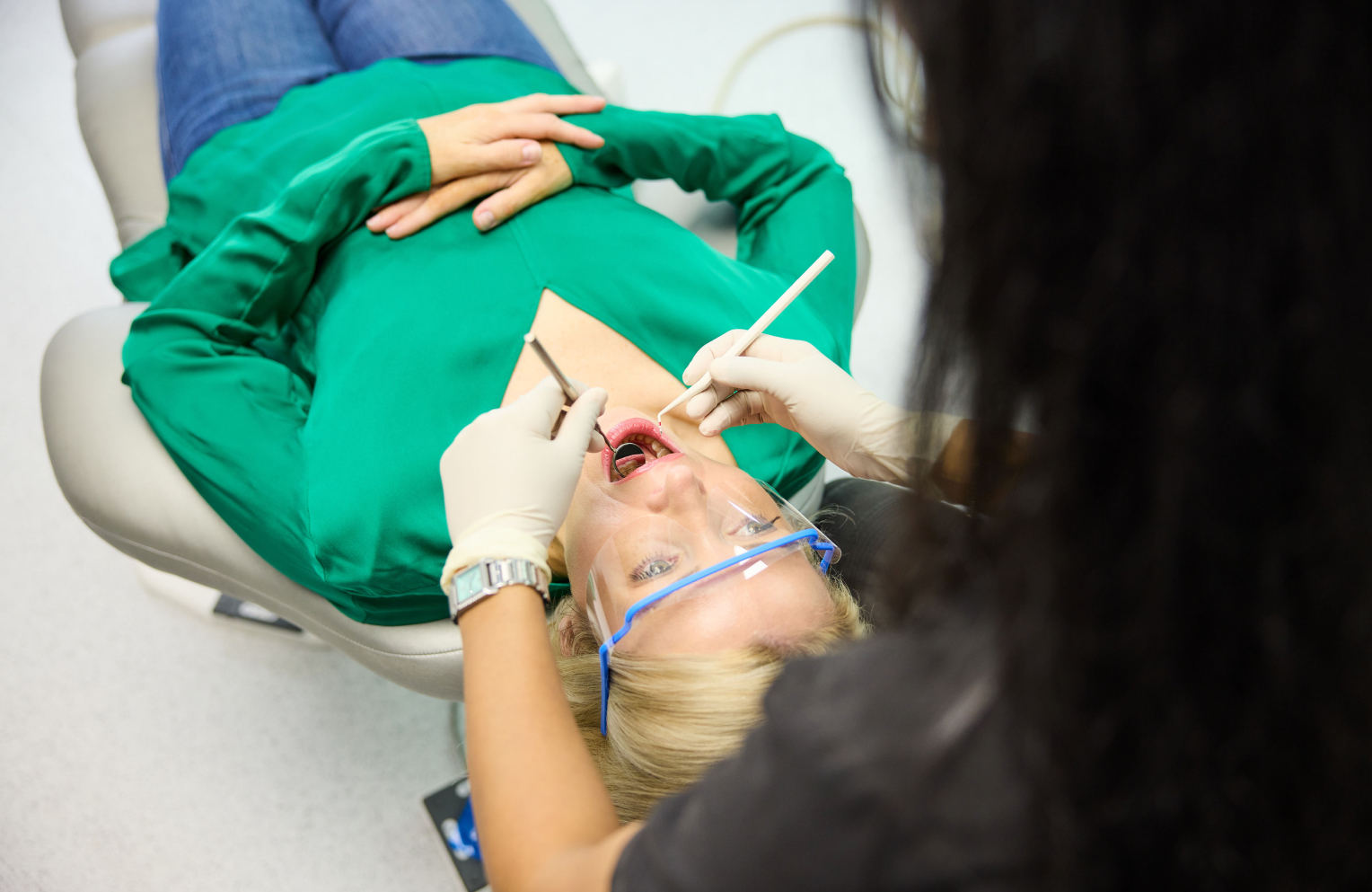
  • Comprehensive Assessment - We listen to your symptoms, review your dental history, and perform a clinical examination, including percussion (tapping) and mobility tests.
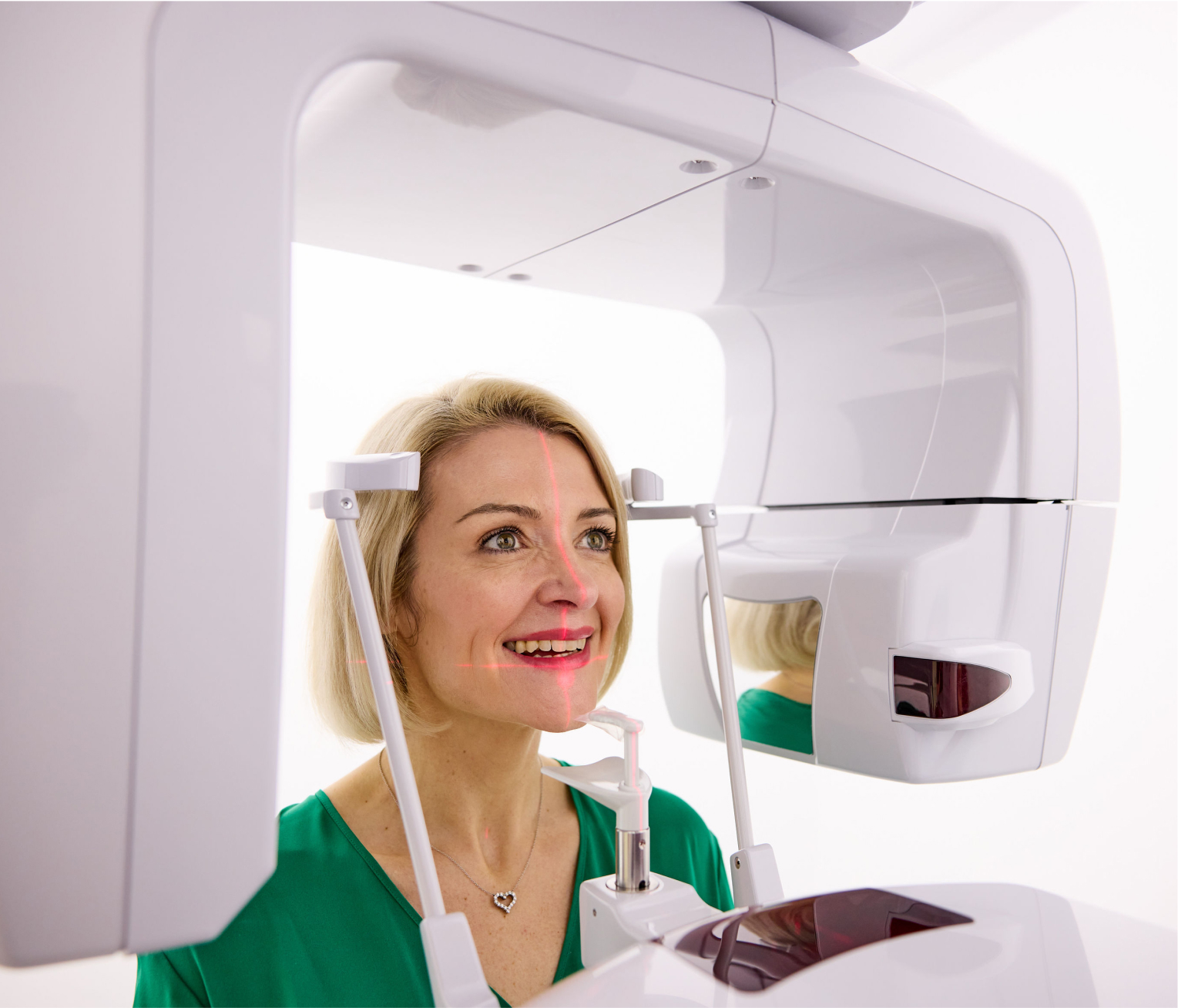
  • Advanced Imaging - We start with a 3D CBCT scan. Unlike a 2D X-ray, this allows us to see your tooth's exact anatomy in three dimensions. We can pinpoint the infection, identify missed canals, and assess for micro-cracks before treatment even begins.
  • Diagnosis - We will show you the 3D images, explain exactly what caused the failure, and provide an honest assessment of the tooth's prognosis and your treatment options.
Total Treatment Timeline | Endodontist Clinic Sydney

The Retreatment Procedure 


(Typically 1-2 Appointments)

Most specialist retreatments are completed in a single appointment of 2-4 hours. Complex cases may be split into two 90-minute visits.

We ensure you are completely numb using profound local anaesthetic. A rubber dam (a small rubber sheet) is placed to isolate the tooth, keeping it sterile and protecting you.

We work through the existing crown (if possible) using a specialist microscope. This 20-25x magnification allows us to precisely remove the old filling material or posts without damaging the underlying tooth structure.

This is the most critical phase. Using microscopic guidance, we carefully remove the old gutta-percha (rubber filling), solvents, and any blockages. This is where we hunt for and locate the previously missed canals that our 3D scan identified.

Once all canals are accessed, we use advanced ultrasonic instruments to thoroughly clean and disinfect the entire system. This enhanced cleaning removes the resistant bacteria and biofilms that caused the failure. For severe infections, we may place an antibacterial medication (calcium hydroxide) inside the tooth and place a temporary filling for 2-4 weeks.

Final Sealing (Appointment 2, if needed)

If your treatment is split, you will return for a 60-90 minute appointment. We remove the medication, perform a final disinfection, and fill the canals.

We use a warm vertical compaction technique to create a dense, 3D seal that blocks any pathway for bacteria to re-enter. A final X-ray confirms the result, and a secure temporary filling is placed to protect the tooth.

A Clear Comparison of Your Root Canal Options

It’s a frustrating situation. We understand. You have three primary options, each with different outcomes and costs.
Feature Root Canal Retreatment (Preferred) Root End Surgery (Apicoectomy) Extraction + Implant (Last Resort)
What is it? A procedure to re-clean and seal the inside of your natural tooth. A minor surgical procedure to clean the tip of the tooth`s root from the outside. Your natural tooth is removed and replaced with a titanium post and crown.
Success Rate 78-84% (Success in saving the natural tooth) 85-92% (Used for specific cases) 95%+ (Success in implant integration, not saving the natural tooth)
Why Choose This? This is the best way to save your natural tooth. It`s less invasive, preserves your natural bone, and maintains your tooth`s original function. Used when retreatment isn`t possible, but the tooth is still salvageable. This is a permanent solution after a natural tooth is lost.
Invasiveness Low-Medium (Like the original root canal) Medium (Minor gum surgery) High (Involves extraction, bone grafting, and surgery)

How to Choose The Right Path for You

  • Choose Retreatment - If the failure is due to a correctable issue (like a missed canal), the tooth structure is sound, and you want the most conservative option to keep your natural tooth.
  • Choose Surgery - If Retreatment is not possible due to a large post, or if you have a brand new, expensive crown you do not want to replace.
  • Choose Extraction - If The tooth has a severe vertical fracture, has lost too much bone from gum disease, or has failed multiple previous retreatment attempts.

Ready to Schedule Your Consultation?

If you're experiencing tooth pain or have been told you need root canal treatment, don't delay evaluation and care. Our fellowship-trained endodontists provide expert diagnosis, comfortable treatment using advanced surgical microscopes, and honest guidance about your options.

Factors That Reduce Success

We believe in transparency. In some cases, retreatment may not be the best option. Success rates can be lower if the tooth has:

  • A severe crack or vertical root fracture.
  • Very advanced bone loss or gum disease.
  • An inaccessible canal or a post that cannot be safely removed.

We will assess all these factors during your evaluation to give you an honest prognosis.
Dental checkup | Endodontist Clinic Sydney

Realistic Outcome Expectations

Success is not just about saving the tooth. It is about restoring its function and eliminating your symptoms.

  • Clinical Success - The tooth is completely comfortable, free of pain, and functions normally for chewing.
  • Radiographic Success - Follow-up X-rays (at 6 and 12 months) show the dark area of infection at the root tip has healed and new bone has grown in.
  • Functional Success - The successfully retreated tooth, with its crown, can last for 10-15 years or even a lifetime.

After Retreatment Care and Expectations

Recovery from retreatment is very similar to the original root canal. You can expect moderate discomfort (3-5 on a 10-point scale) for 2-5 days as the tissues heal. This is easily managed with over-the-counter medication like Ibuprofen. You should plan to eat soft foods for 48 hours and avoid chewing on the treated tooth.

After your retreatment, it is critical that you return to your general dentist within 4 weeks to have a permanent crown or final filling placed. The temporary filling we place is designed to last only a few weeks. Delaying the final restoration is the number one reason for retreatment failure, as it allows bacteria to re-infect the sterile canals.

  • 6-Month Follow-Up A clinical exam and X-ray to confirm your symptoms are gone and we can see early signs of bone healing.
  • 12-Month Follow-Up A final X-ray to confirm the infection (dark area) has completely resolved and new bone has filled in.
  • Annual Monitoring The tooth will be checked as part of your regular dental check-ups.

Frequently Asked Questions

No. This is a common myth. The procedure itself is done under profound local anaesthetic, and you will not feel any pain. Our team is highly experienced in managing anxious patients and ensuring you are completely comfortable.

Most patients report mild to moderate discomfort (around a 3-5/10) for a few days as the area heals. This is a normal inflammatory response and is easily managed with over-the-counter pain relief like Ibuprofen.

The cost for specialist retreatment is higher than the original procedure due to its complexity, the technology involved, and the time required. We will provide a clear, itemised quote during your consultation. While the upfront cost is higher, it is often significantly less than the long-term cost of an extraction, bone graft, and dental implant.

The main alternatives are Root End Surgery (Apicoectomy) or extraction. We will discuss these in detail so you can make an informed choice.

Related Treatments and Information

dental implant icon | dental implants Sydney
Root End Surgery (Apicoectomy)
This is a minor surgical procedure used when retreatment is not possible, but the tooth can still be saved.
dental implant icon | dental implants Sydney
Extraction and Dental Implant
This is the last resort. This high-cost, invasive option involves removing your natural tooth and replacing it with a titanium post and crown.

We offer timely appointments to ensure you receive the care you need when you need it. From endodontics to periodontal therapy, our specialists manage every aspect of your dental health with expertise and comprehensive post-operative support.

Your smile is our priority—experience the difference with our specialist care today.

© 2025 Australian Dental Specialists | Privacy

Site by Luna Digital Marketing