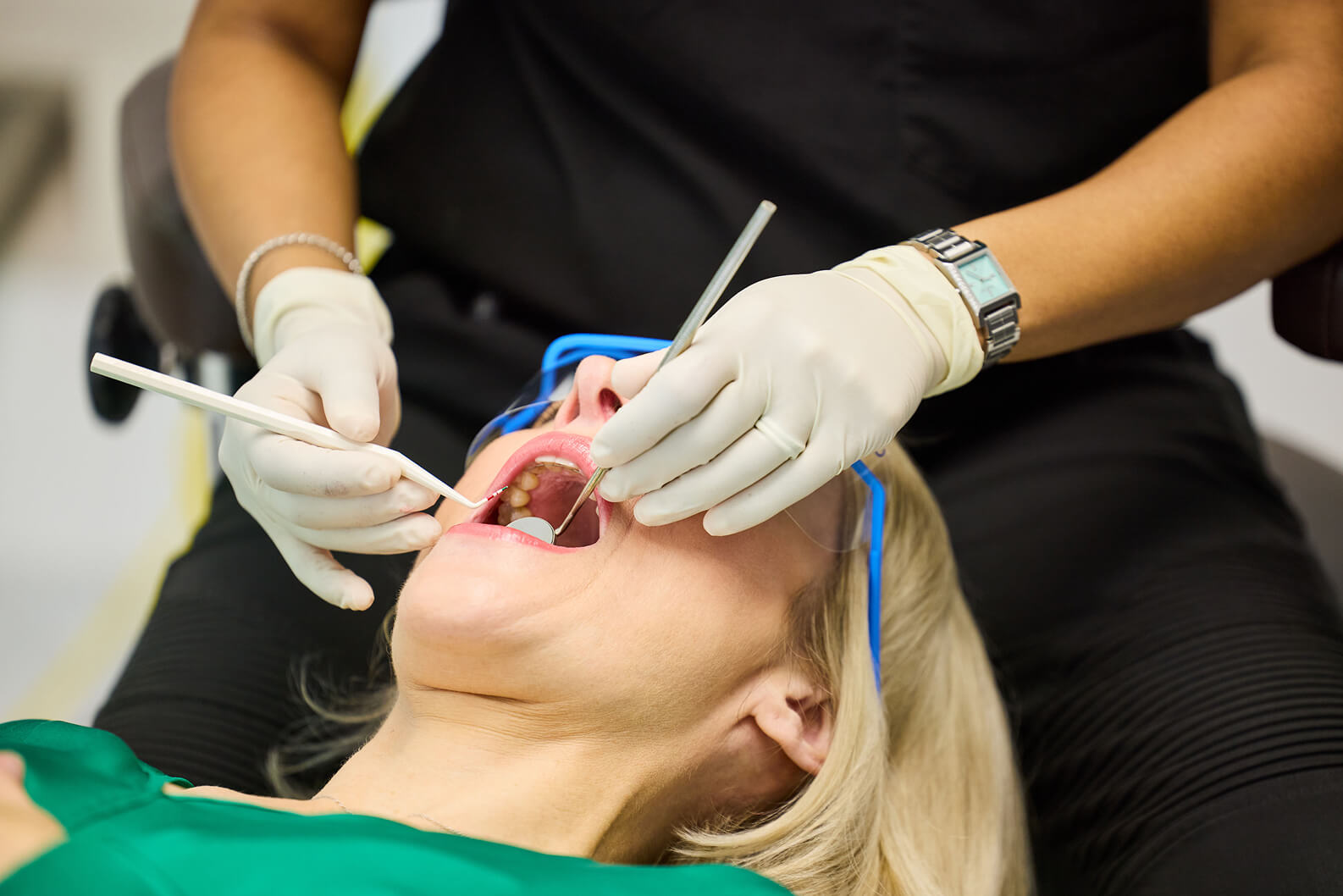
Most patients achieve full recovery within 1 to 2 weeks; with 80% reporting they are pain-free by day 3.
You have just had a root canal. Or you are sitting in the waiting room, frantically Googling what comes next between work meetings.
Naturally, you are wondering what the next few days will look like. Will you be in pain? When can you eat? When can you go back to work? The anxiety surrounding root canal recovery is often far worse than the reality.
The good news is that modern root canal recovery is far quieter than its reputation suggests. Research indicates that 80% of patients are pain-free by day 3.
Here is your honest, evidence-based guide to healing, day by day.
You will leave the clinic with your mouth still numb from the local anaesthetic. This sensation typically lasts for 2 to 4 hours after your procedure.
During this window, you might feel a sense of pressure or fullness around the treated tooth (often from the rubber dam used during treatment), but you should not feel pain yet. You may also experience some facial numbness on the treated side.
There is one critical safety rule for this phase: Do not eat or drink anything until the numbness completely wears off.
Because you cannot gauge sensation or temperature accurately, you run an elevated risk of accidentally biting your cheek or tongue or burning your mouth on a hot beverage. Test your sensation by gently touching the inside of your cheek with your finger; if you can feel a normal touch sensation, it is safe to eat.
Once the anaesthetic fades, you will start to feel your body’s normal healing response. It is important to understand the science here: your body is reacting to the procedure with inflammation.
This inflammation typically peaks 17 to 24 hours post-treatment. This means the first day is usually the most sensitive.
What is Normal?
Most patients (70-80%) report mild to moderate discomfort as the anaesthesia fades. You should expect:
Your Pain Management Protocol
Do not wait for the pain to spike. We recommend a proactive approach using over-the-counter medication to manage the inflammation before it becomes painful.
First-Line Approach:
Take Ibuprofen (Nurofen) 400-600mg every 6-8 hours. Ibuprofen is an anti-inflammatory, meaning it treats the cause of the pain (swelling), not just the symptom.
For Moderate Pain (The Combination Strategy):
If you need more relief, you can alternate medications every 3 hours to provide continuous coverage:
Note: Do not exceed 2,400mg of Ibuprofen or 4,000mg of Paracetamol in 24 hours.
Comfort Measures
What to Eat (The “Soft Food” Menu)
Your tooth will be tender. For the first 24 hours, stick to a soft diet and chew on the opposite side of your mouth.
Recommended:
Avoid:
By the second day, you should notice a significant shift. Research indicates that 60-70% of patients report minimal pain by day 2, and 80% are pain-free by day 3.
What to Expect
The peak inflammation period has passed. You may still feel:
Adjusting Your Routine
By the end of the first week, many patients report minimal to no pain. Most patients discontinue pain medication entirely by day 5 or 6.
Normal Healing Signs
At this stage, your recovery is mostly complete. You might feel very mild sensitivity when biting hard foods, but this is normal and fades over time.
However, you are not finished yet.
The Crown is Mandatory
You must return to your dentist for the permanent crown placement, typically scheduled 2 to 6 weeks after the root canal on a premolar or molar tooth.
This is not just for aesthetics.This is for protecting the tooth from fracture.
While some discomfort is expected, it is vital to distinguish between normal healing and signs of a complication.
Contact Australian Dental Specialists immediately if you experience:
Monitor these symptoms (Call next business day):
Root canal recovery is highly predictable and manageable. For most patients, the recovery is far easier than the pain of the original infection.
By following the pain management protocol (especially the anti-inflammatories), sticking to soft foods for the first few days, and ensuring you get your permanent crown placed on time, you ensure the best possible outcome for your tooth.
If you have any concerns about your recovery or need to book your follow-up appointment, do not hesitate to reach out.
Book Your Follow-up Appointment
We offer timely appointments to ensure you receive the care you need when you need it. From endodontics to periodontal therapy, our specialists manage every aspect of your dental health with expertise and comprehensive post-operative support.
Your smile is our priority—experience the difference with our specialist care today.
© 2026 Australian Dental Specialists | Privacy
Site by Luna Digital Marketing
