When it comes to root canal procedures, a non-surgical procedure will occasionally not be sufficient to heal the tooth and we will recommend endodontic microsurgery. This procedure can be used to save teeth that may otherwise have needed to be removed.
When it comes to root canal procedures, a non-surgical procedure will occasionally not be sufficient to heal the tooth and we will recommend endodontic microsurgery. This procedure can be used to save teeth that may otherwise have needed to be removed.
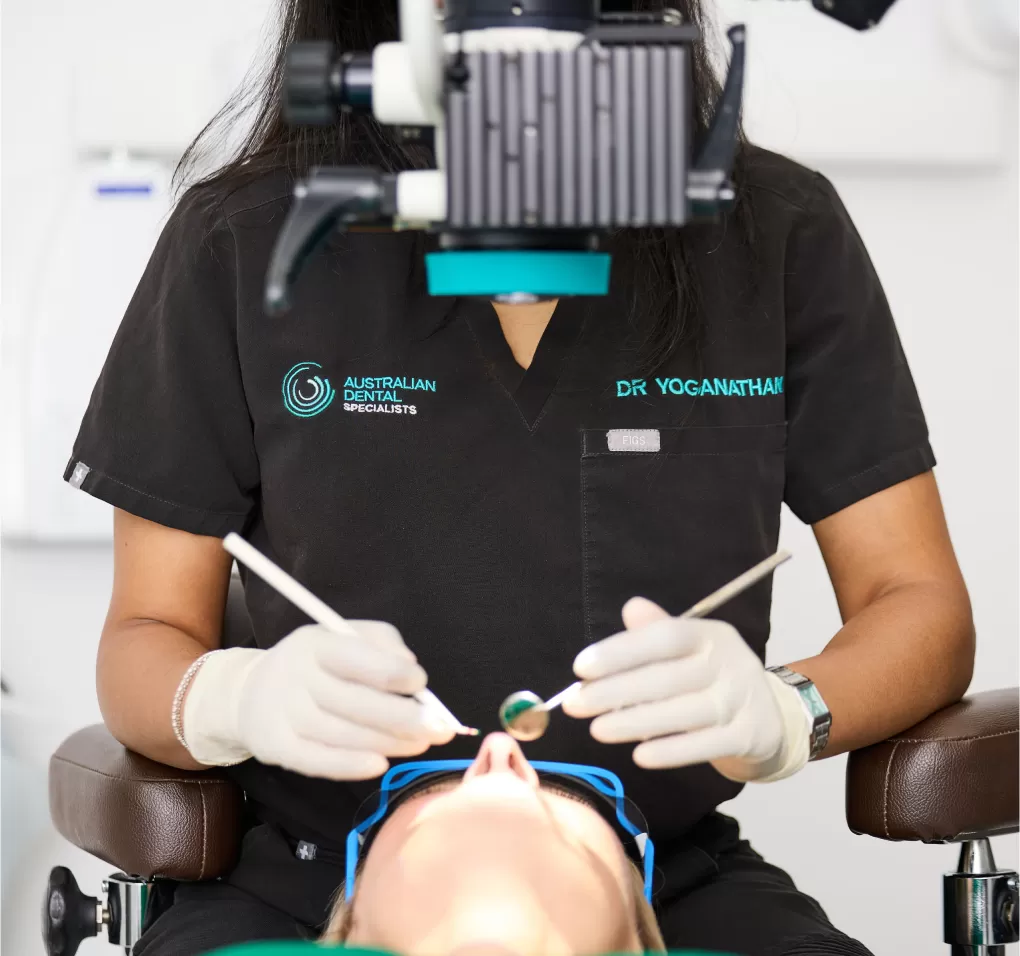
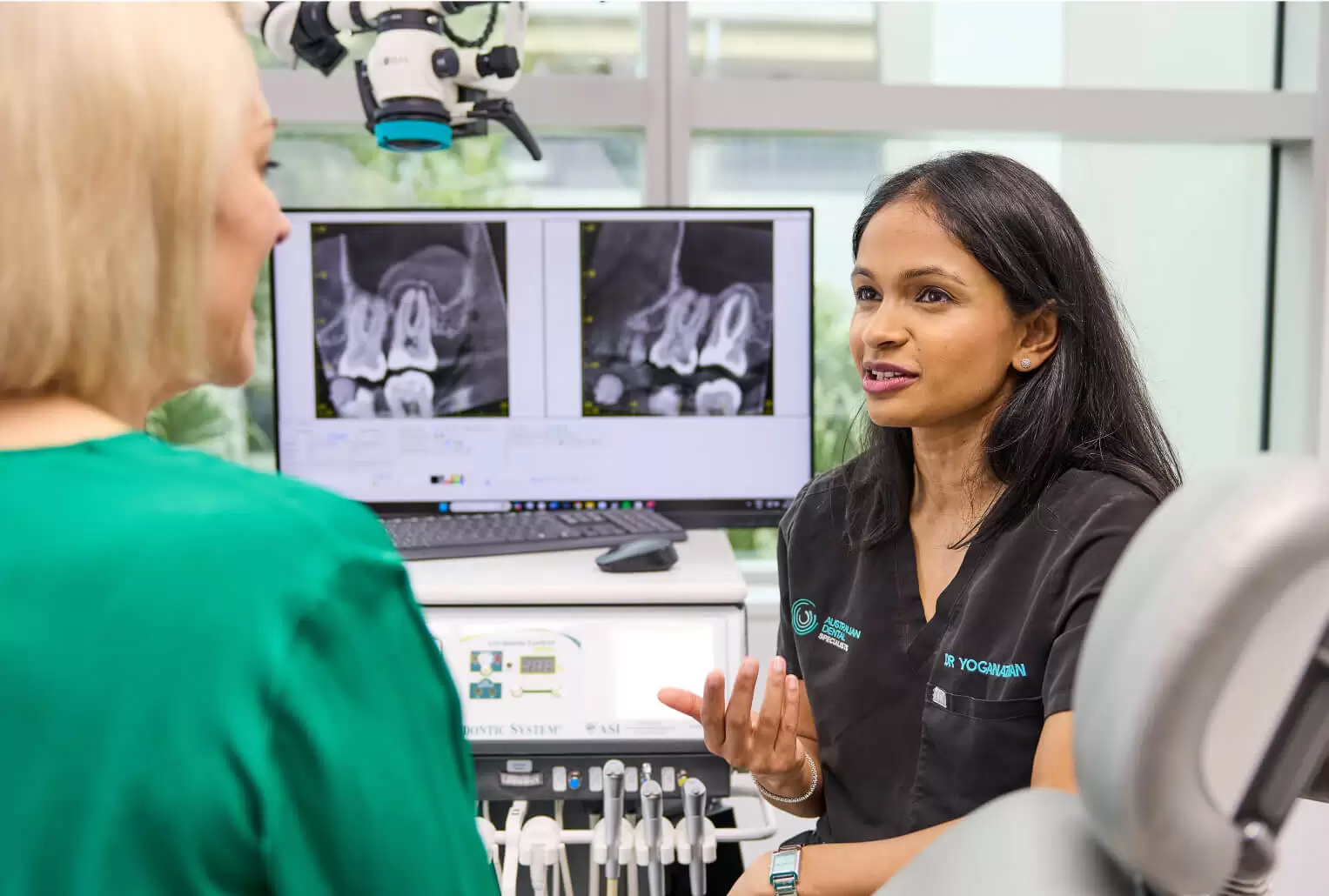
Endodontic microsurgery can be used to locate fractures or hidden canals that do not appear on x-rays but still manifest pain in the tooth. Damaged root surfaces or the surrounding bone may also be treated with this procedure. The most common endodontic surgery used to save damaged teeth is an apicoectomy or periapical surgery, and it can be carried out at our practice in Norwest, Sydney. If Dr Yoganathan thinks an apicoectomy is a suitable procedure for you, she will discuss this treatment option at the time of consultation and let you know about the procedure so you can make an informed decision about your tooth.
An apicoectomy (also referred to as apicectomy, root end resection or periapical surgery) is a minor dental procedure that is performed to save a tooth that would otherwise need to be removed. An apicoectomy involves removing the end of the root of a tooth (known as the apex) and is performed on both children and adults.
An apicoectomy differs from root canal surgery.
In a root canal procedure, the dentist opens up your tooth to remove infected pulp. Pulp refers to the soft tissue inside your tooth, made up of nerves, blood vessels and cells that keep your teeth healthy and functioning. When this becomes infected, a root canal is required to remove the damage, clean the roots and seal the tooth.
An apicoectomy only removes the tooth's root tip and is often performed when a root canal treatment has already been done on the tooth.
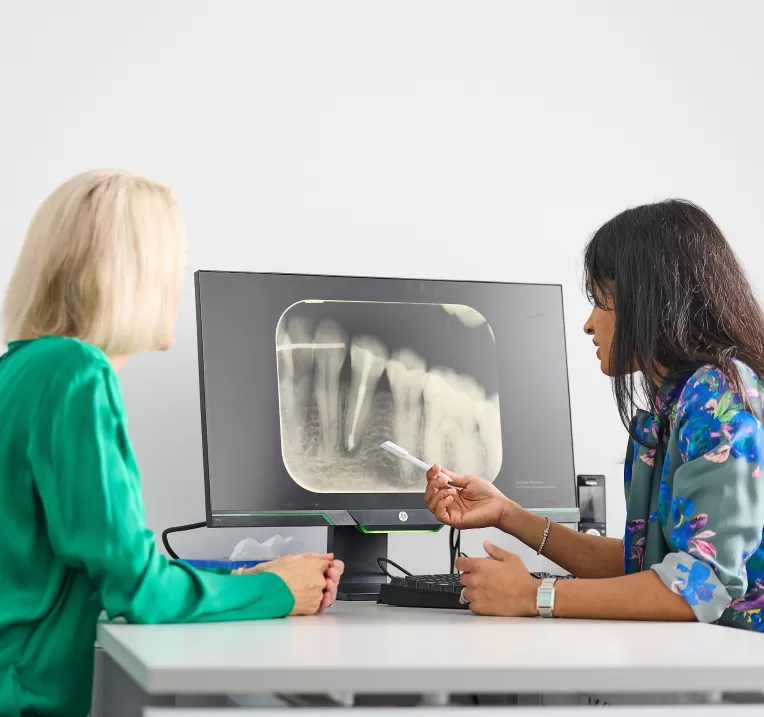
An apicoectomy is performed in order to save the tooth and avoid having to extract it. There are a few different reasons why your dentist might recommend that you have an apicoectomy.
The most common reason for an apicoectomy is if you’ve already had a root canal, but the area surrounding the tooth didn’t heal properly and the tissue has become reinfected or damaged. There could also be residual inflammation or infection that wasn’t cleared by the root canal. In this case, an apicoectomy would be required to remove the tip of the root and the surrounding infected tissue in order to prevent further complications.
An apicoectomy might also be recommended in order to:
The procedure for an apicoectomy will take 30-90 minutes, depending on the location of the tooth and how easy it is to access its roots. You should not feel any pain during the procedure.
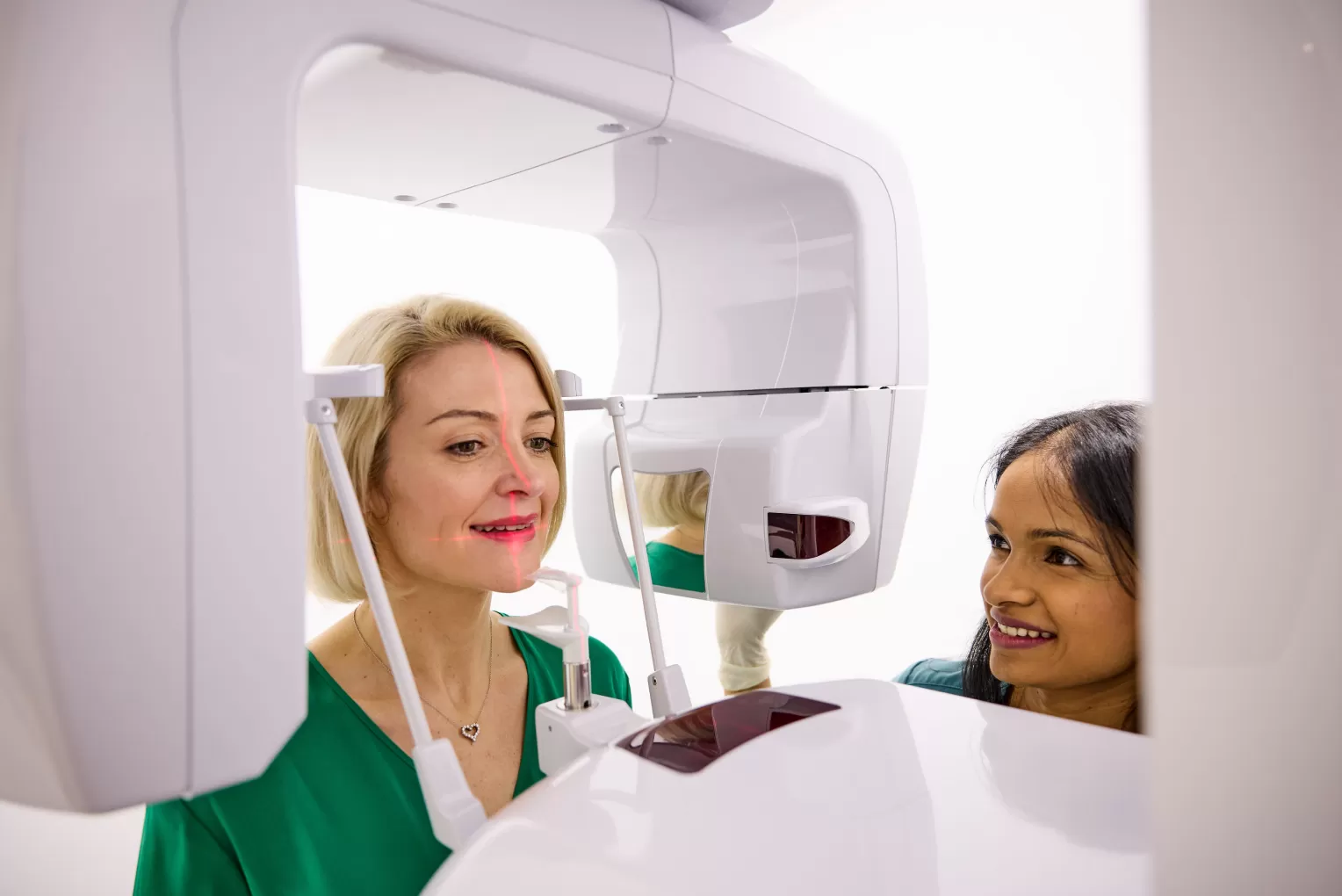
An X-ray might be taken of your mouth prior to the surgery to help the dentist visualise where the infected roots are and whether any of the surrounding tissue will need to be removed as well.
Immediately before the surgery, local anaesthetic will be administered to numb the area inside your mouth.
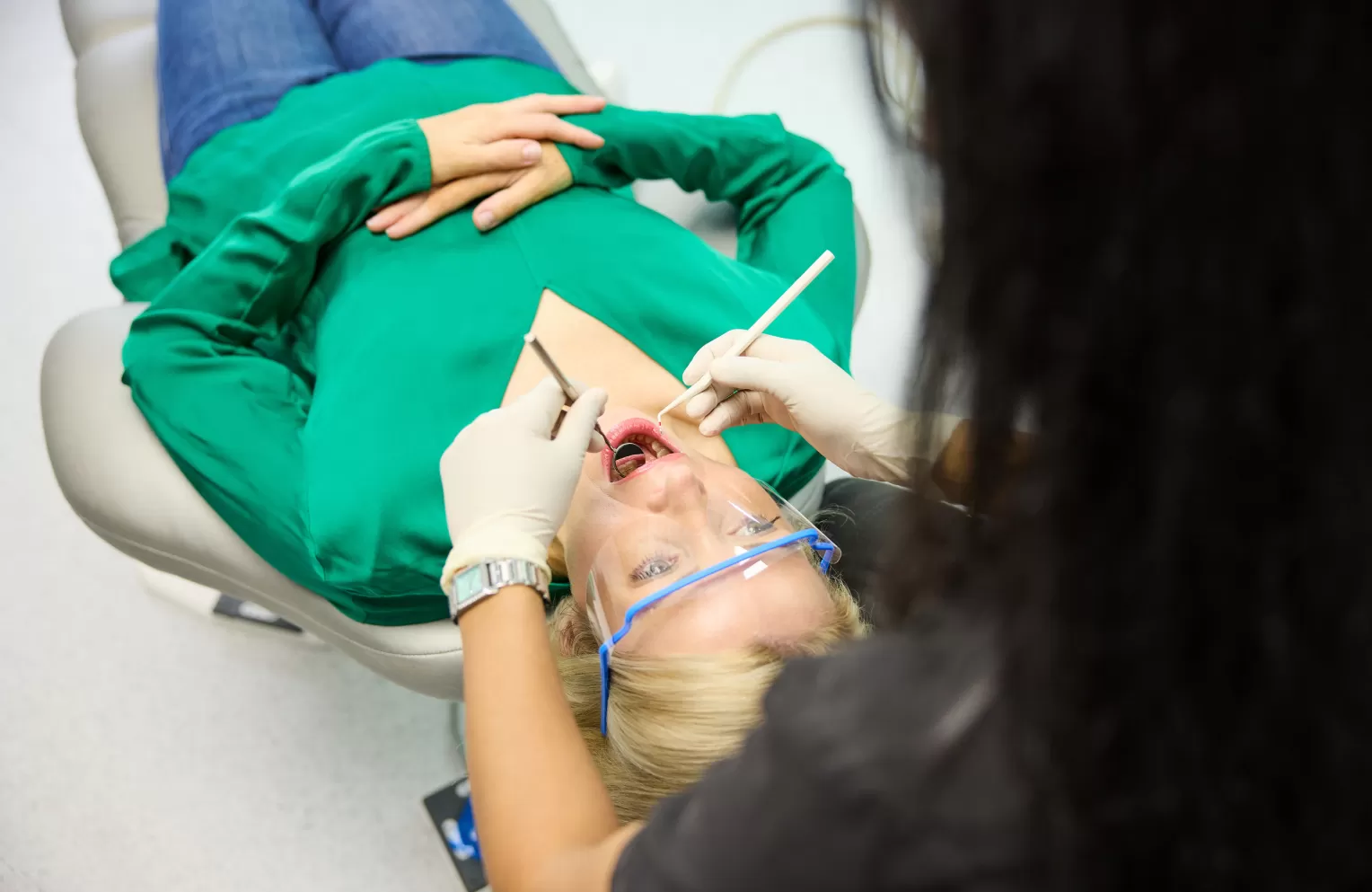
Using microsurgical instruments Dr Yoganathan will access your damaged tooth root by making a small cut in the gums and then pushing the gum tissue aside to clear a path to the root. She will then remove any inflamed tissue and infected root tip fragments. Usually only a few millimetres of the root will need to be removed as well as any inflamed or infected tissue.
Once she has cleaned the area thoroughly she will place a root end filling, to seal the root and prevent reinfection. The incision in the gums will be closed with a few stitches. Another X-ray might be taken after the procedure to ensure there’s no remaining infection.
This procedure should not cause any major discomfort and can be done in a dentist’s office. There is no general anaesthetic required, so you should be able to drive yourself home immediately afterwards.
Following the procedure, there may be some discomfort or slight swelling while the area heals. This is normal for any surgical procedure, and to aid you in pain management we will guide you on the best medications and precautions to follow whilst healing is taking place.
You may experience some minor bleeding for 1-2 hours after the procedure so it’s best to rest with your head elevated to slow down the blood flow. Depending on the recommendation of your dentist, you might take over the counter pain medication if you wish, and your dentist may recommend that you also take antibiotics in order to prevent a postoperative infection.
You should brush and floss normally but be careful around the treated area so that you don’t disturb the stitches. You should gently rinse your mouth out with warm salty water to wash away any excess bacteria. You should be able to return to normal activities after a day or two and the stitches will be removed within a few weeks.
There are very few risks associated with an apicoectomy, especially when performed by an experienced dentist. Some possible complications include:

Cracked teeth demonstrate many types of symptoms, including pain when chewing, temperature sensitivities, or even the release of biting pressure.

Internal bleaching, also referred to as walking bleach, is a technique that is used to whiten the appearance of teeth. Internal bleaching is conducted under the direction of a dentist.

With regenerative endodontics, we revive or regenerate the tooth’s natural tissue so the root can continue growing, be functional and last you for your lifetime.

Root canal therapy is a conservative procedure undertaken by an endodontist to save teeth. It is a commonly performed dental treatment and has documented success rates of over 90%.

Root end surgery or apicoectomy is the most common surgery used to save damaged teeth. Occasionally, root canal therapy will not be sufficient to heal the tooth and your endodontist will recommend surgery.

There are cases where a tooth that received root canal treatment may fail to heal or pain may continue to exist. The failure can occur months or years after the initial treatment.
We offer timely appointments to ensure you receive the care you need when you need it. From endodontics to periodontal therapy, our specialists manage every aspect of your dental health with expertise and comprehensive post-operative support.
Your smile is our priority—experience the difference with our specialist care today.
© 2025 Australian Dental Specialists | Privacy
Site by Luna Digital Marketing
