
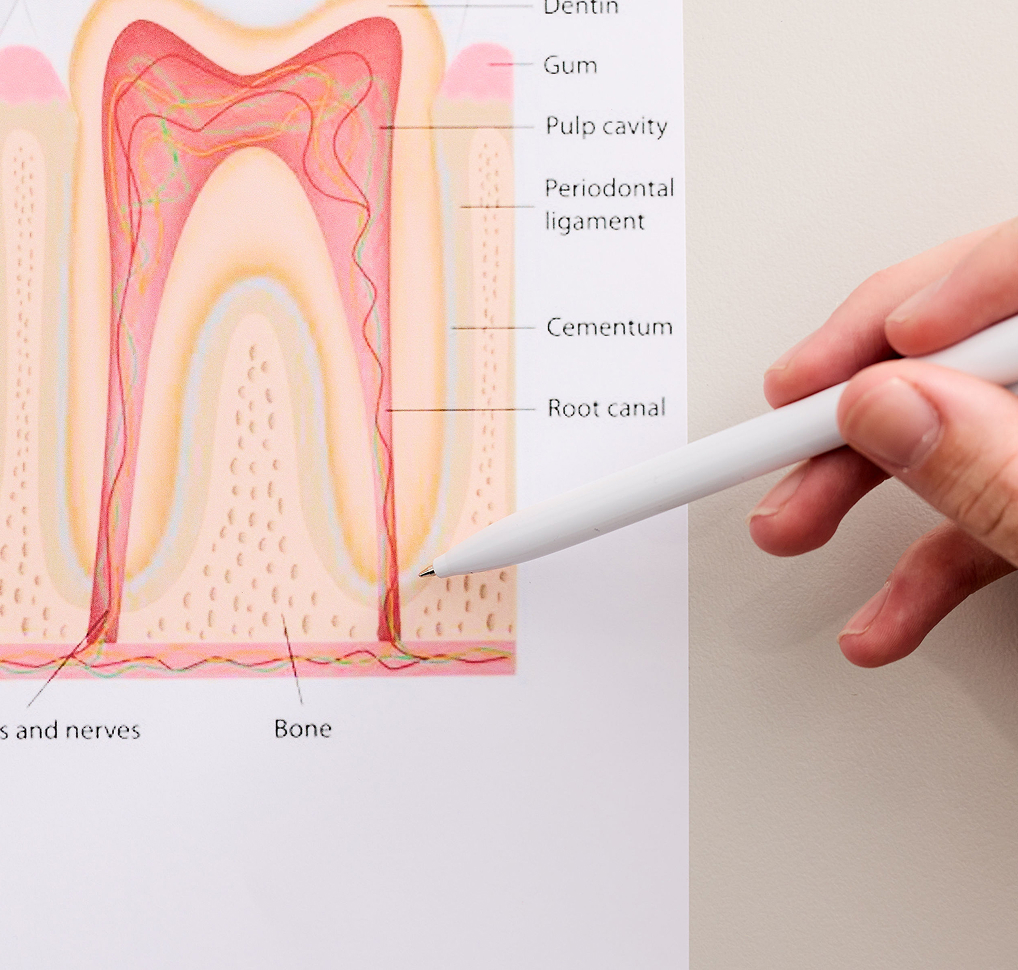
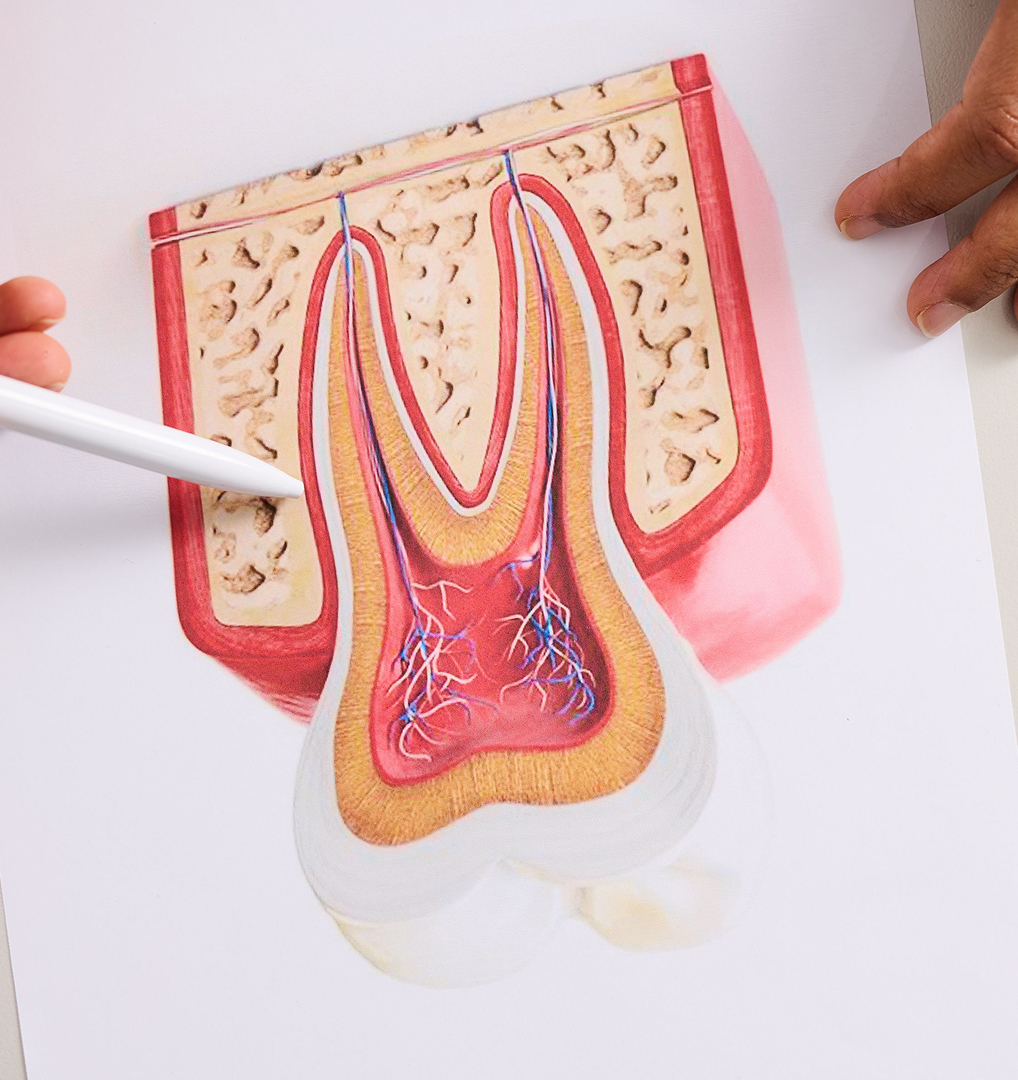
It is important to understand why this procedure is so different from the traditional approach. The goal is no longer just to fill the tooth, but to heal it.
The old method for an immature tooth, apexification, involved cleaning the canal and then packing a cement-like material at the root's open end to plug it. This was effective at saving the tooth from extraction, but it stopped all future growth.
Here is a clear comparison of the two approaches.
| Feature | Regenerative Endodontics (The New Way) | Traditional Paediatric Root Canal (The Old Way) |
|---|---|---|
| Goal | Heal and revitalise the tooth. | Clean and fill the canal. |
| Biology | Uses the body's own stem cells to regrow living pulp tissue. | Removes all tissue. Fills the canal with an inert, rubber-like material. |
| Growth | Allows the root to continue growing thicker and stronger. | Stops all future root development permanently. |
| Strength | Restores tooth vitality. The thicker walls make the tooth strong and resilient. | Can leave the thin, immature root walls brittle and prone to fracture. |
| 10-Year Survival | 88-92%. The tooth thrives as a living part of the body. | 68-74%. The tooth is saved but is more vulnerable. |


Please call our office right away if your child experiences any of the following:

We offer timely appointments to ensure you receive the care you need when you need it. From endodontics to periodontal therapy, our specialists manage every aspect of your dental health with expertise and comprehensive post-operative support.
Your smile is our priority—experience the difference with our specialist care today.
© 2025 Australian Dental Specialists | Privacy
Site by Luna Digital Marketing


