A cracked or broken tooth can cause more than discomfort — it can affect how you eat, sleep, and live day to day. Left untreated, a crack can deepen and lead to infection, swelling, and even tooth loss. Early diagnosis and treatment are key to saving your natural tooth and preventing further complications.
Cracked teeth demonstrate many types of symptoms, including pain when chewing, temperature sensitivities, or even the release of biting pressure. It is also common for pain to come and go, making it difficult to diagnose the cause of discomfort.
Cracked teeth are usually caused by dental trauma, clenching or grinding. Left untreated, the crack in the tooth can extend causing severe pain particularly on biting, dental abscess, facial swelling and even tooth loss.
Chewing can cause movement of the cracked pieces of your tooth, and the pulp within the tooth becomes irritated. At the same time, when biting pressure is released, the crack can close quickly, resulting in sharp pain.
Eventually, the pulp will become damaged and tooth will consistently hurt, even when you are not chewing. It is possible that cracks can lead to infection of the pulp tissue, which can spread to the bone and gum surrounding the problematic tooth.
Dr Yoganathan’s treatment will alleviate this pain and will assist in reducing any further cracking.
A cracked tooth (or fractured tooth) refers to a tooth that has been chipped, cracked or broken, otherwise known as cracked tooth syndrome. It could be a very minor fracture or a visible break.
A tooth fracture or tooth crack can be caused by a number of things, and doesn’t just happen to older people.
Cracking or breaking a tooth can be quite painful, and will usually require a dentist to provide treatment - if you think you might’ve broken a tooth you should see a dentist straight away. There are a few different types of cracked teeth, so before your dentist can diagnose it you should focus on easing the pain and protecting your teeth from further injury.

Cracked teeth can be difficult to diagnose because symptoms often come and go. You may notice one or more of the following:
If these symptoms sound familiar, it’s important to have the tooth assessed by an endodontist before the crack worsens.
Not all cracks are the same, so understanding the type helps guide the best treatment:
Shallow, surface-level lines in the enamel. These are common and typically harmless.
A piece of the chewing surface breaks away, often around a filling.
A crack that extends vertically toward the root; pain usually occurs on biting or pressure release.
The crack separates the tooth into distinct segments and may not be restorable.
A crack starting in the root and moving upward, often in a previously treated tooth.
There are a few common causes for cracked teeth, including:

There are a few different methods that a dentist might use to diagnose a cracked tooth. They will start by asking you about your symptoms and whether you’ve experienced any recent trauma to the tooth. They will also ask about your dental history and your dental habits (such as teeth grinding or chewing on ice) because this can help them determine the type of crack.
Other methods that a dentist might use for a cracked tooth diagnosis include:
Even if you have no obvious symptoms, you should see a dentist if you suspect a fractured tooth. For some types of cracks, early treatment could save the tooth. Infection can also occur if a cracked tooth is left untreated for too long.
You should see a dentist or healthcare provider immediately if you notice any of the following symptoms:
If you can’t get an appointment straightaway, you can attempt to soothe the tooth at home by doing the following:
The treatment for a cracked tooth depends on its location, depth, and extent of damage.
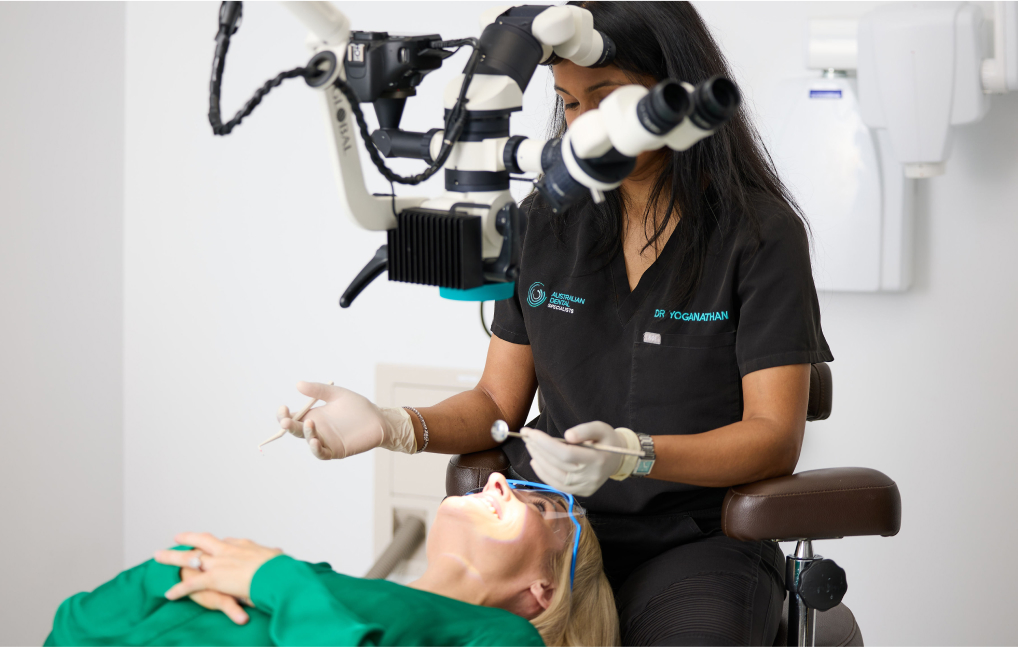
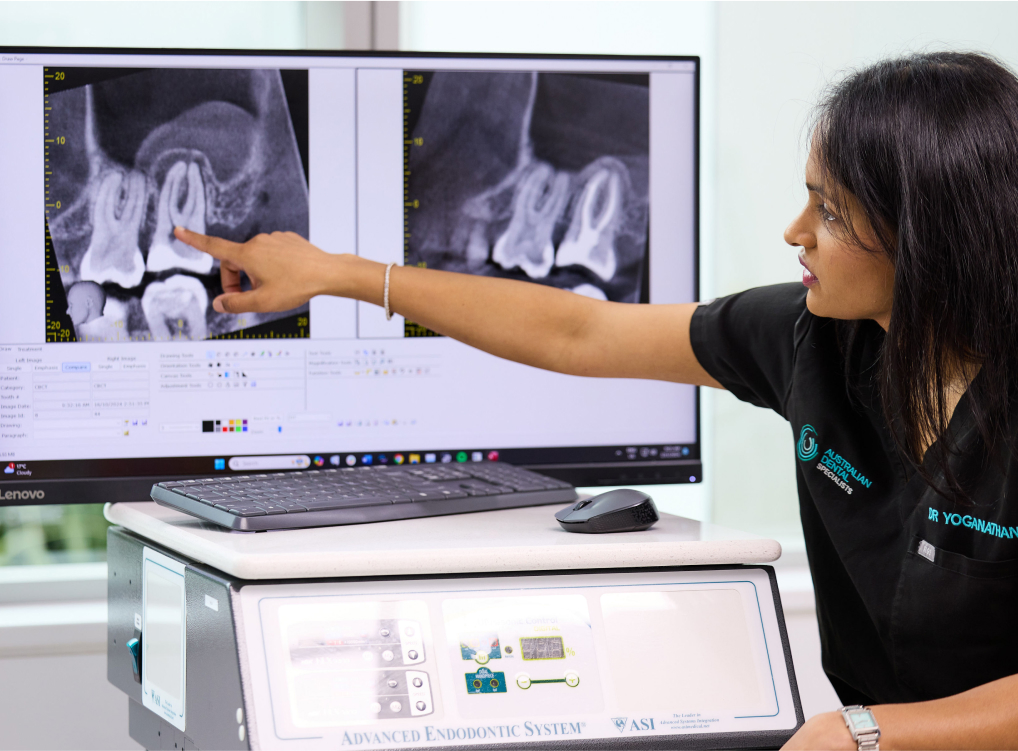
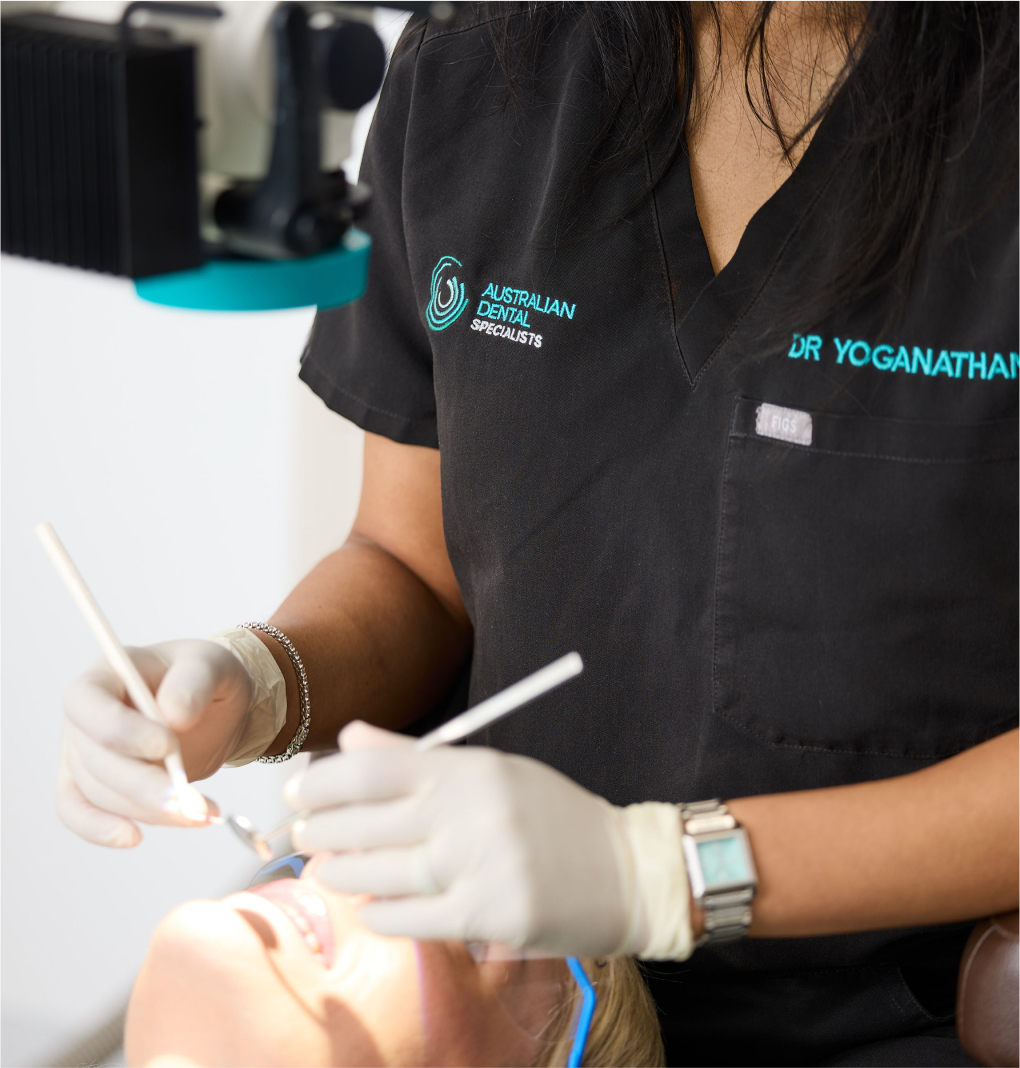
At Australian Dental Specialists, we use advanced diagnostic tools such as CBCT imaging and operating microscopes to locate and manage cracks with precision.
Treatment may include:
Our goal is always to preserve your natural tooth whenever possible.
You can take some steps to make your teeth less susceptible to cracking or fracturing, although they are not completely avoidable:
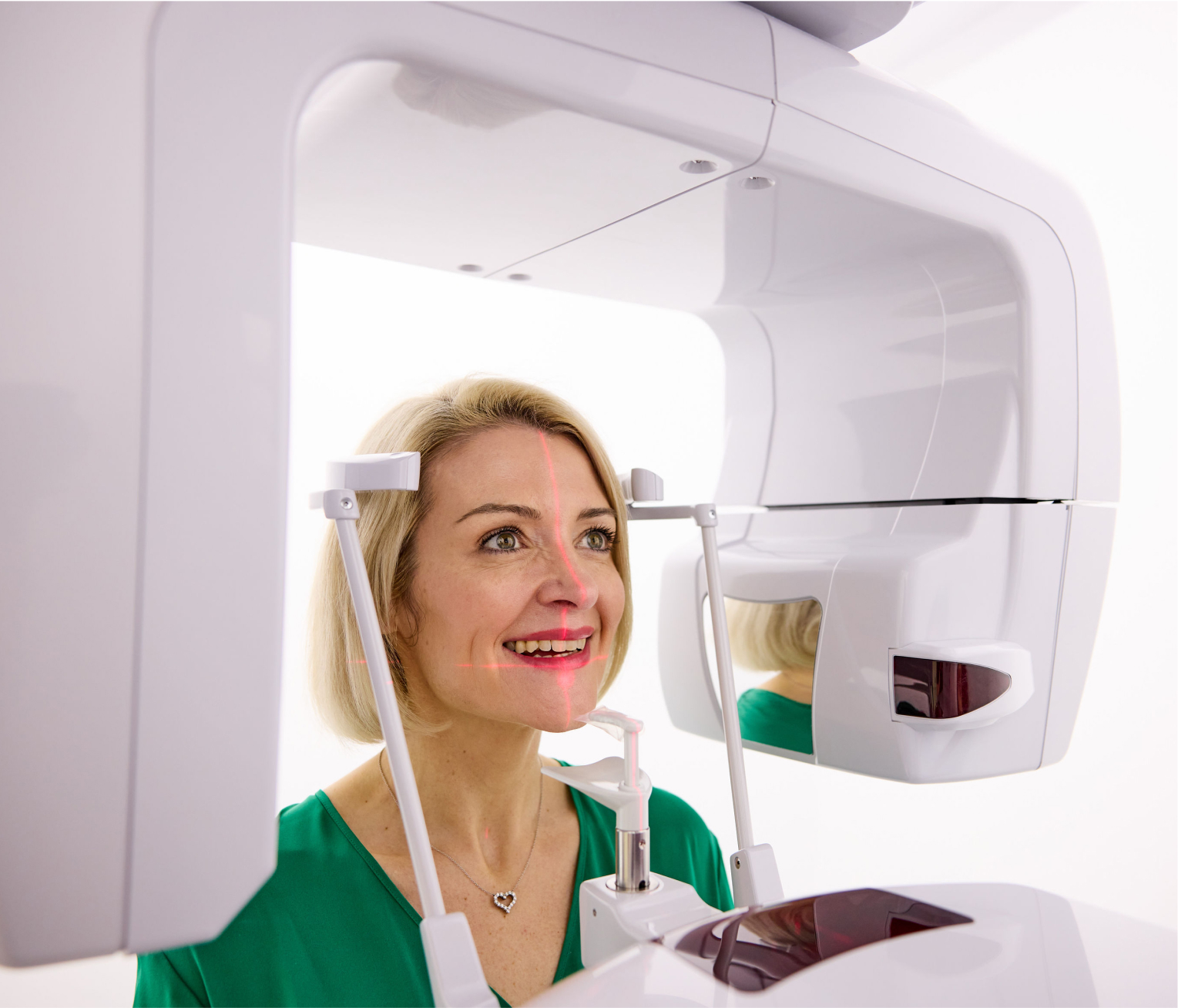

Cracked teeth demonstrate many types of symptoms, including pain when chewing, temperature sensitivities, or even the release of biting pressure.

Internal bleaching, also referred to as walking bleach, is a technique that is used to whiten the appearance of teeth. Internal bleaching is conducted under the direction of a dentist.

With regenerative endodontics, we revive or regenerate the tooth’s natural tissue so the root can continue growing, be functional and last you for your lifetime.

Root canal therapy is a conservative procedure undertaken by an endodontist to save teeth. It is a commonly performed dental treatment and has documented success rates of over 90%.

Root end surgery or apicoectomy is the most common surgery used to save damaged teeth. Occasionally, root canal therapy will not be sufficient to heal the tooth and your endodontist will recommend surgery.

There are cases where a tooth that received root canal treatment may fail to heal or pain may continue to exist. The failure can occur months or years after the initial treatment.
We offer timely appointments to ensure you receive the care you need when you need it. From endodontics to periodontal therapy, our specialists manage every aspect of your dental health with expertise and comprehensive post-operative support.
Your smile is our priority—experience the difference with our specialist care today.
© 2025 Australian Dental Specialists | Privacy
Site by Luna Digital Marketing
