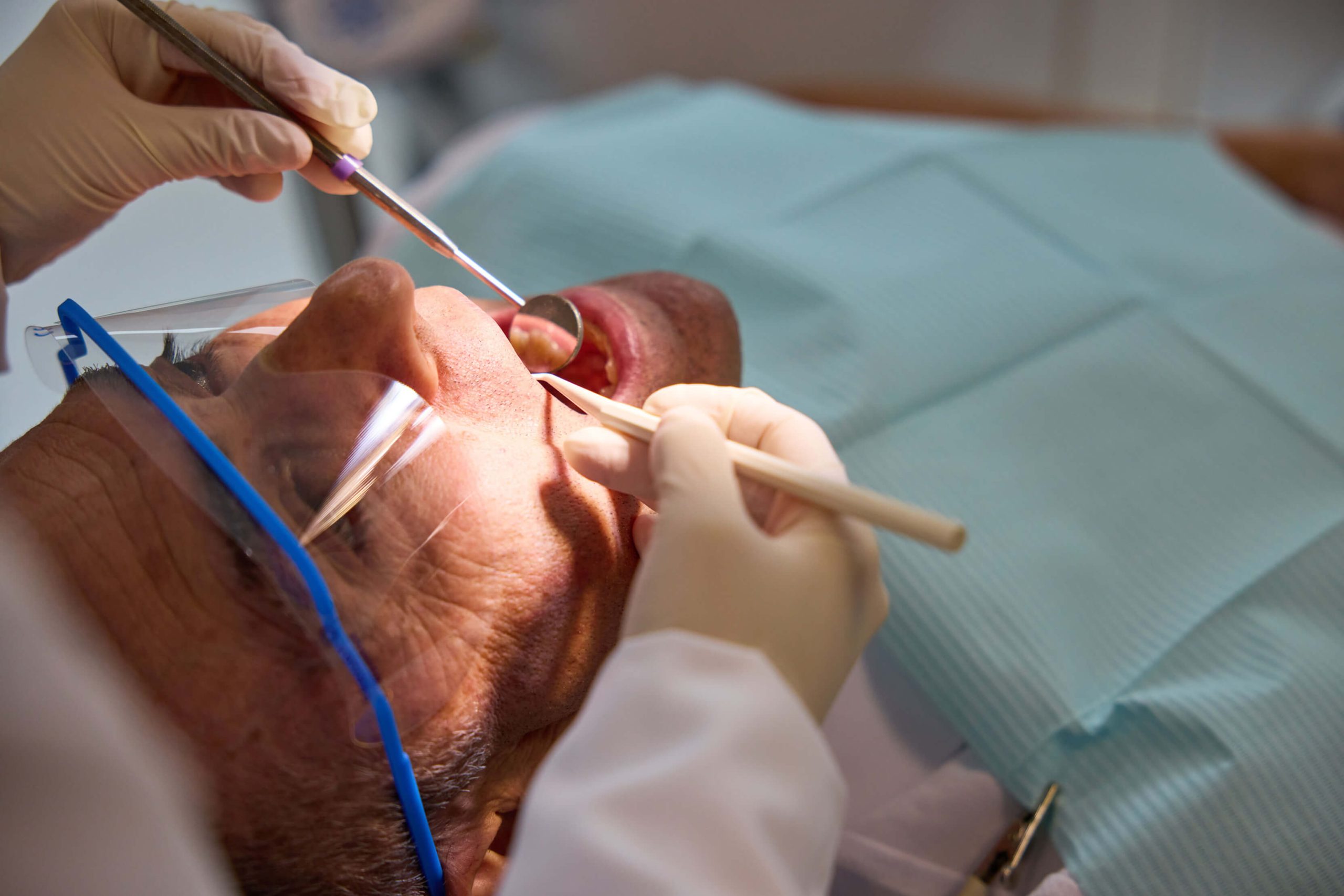
Recognising the signs of a potential root canal need early is crucial for saving your tooth and avoiding complications. Key indicators include:
If you experience these, especially alongside other symptoms listed below, book a professional dental assessment promptly.
Understanding the signs you need a root canal is the first step towards getting the right treatment and preserving your natural smile. This guide breaks down the 10 definitive symptoms, helps you understand their urgency, and outlines exactly what you should do next.
Before we dive into symptoms, let’s quickly cover the basics. Inside your tooth, beneath the hard enamel and dentine, lies the pulp – a soft tissue containing nerves and blood vessels. Deep decay, cracks, trauma, or repeated dental work can allow bacteria to infect this pulp.
A root canal treatment saves the tooth by removing the infected or damaged pulp, cleaning the internal canals, and sealing the space to prevent reinfection. It’s a highly successful procedure (90-95% success rate ) designed to relieve pain, not cause it, and keep your natural tooth functional . The alternative is often extraction, which is more costly in the long run and impacts your bite and surrounding teeth.
If you recognise several of these symptoms, it’s time to book a dental assessment.
What It Feels Like: This isn’t just a fleeting twinge. It’s often a severe, constant throbbing or sharp pain that can radiate to your jaw, ear, or other teeth . It might wake you up at night or make it difficult to concentrate during the day. Over-the-counter painkillers often provide little relief.
Why It Happens: Inflammation inside the infected pulp builds pressure within the tooth’s rigid structure, intensely stimulating the nerve endings.
Clinical Evidence: Persistent pain interfering with daily life strongly suggests irreversible pulp damage needing root canal treatment.
What It Feels Like: A sharp pain when your tooth encounters hot or cold food/drinks that lingers for more than 30 seconds after the temperature source is gone . Normal sensitivity fades much faster.
Why It Happens: The damaged pulp nerve reacts excessively to temperature changes, indicating it can’t recover on its own.
Diagnostic Clue: If sensitivity lasts 10-30 seconds, it might be reversible pulpitis (potentially fixable with a filling). Over 30 seconds strongly points towards irreversible damage requiring a root canal.
What It Looks Like: The affected tooth gradually darkens, appearing grey, dark yellow, or even brownish compared to its neighbours . The change comes from within the tooth.
Why It Happens: When the pulp tissue dies (necrosis), internal bleeding and breakdown products stain the tooth from the inside out . This often follows trauma or deep decay.
Important Note: Discolouration alone warrants a check-up, even without pain, as silent infection can occur.
What It Looks Like: Localised gum swelling next to the problem tooth, which might feel tender, firm, or soft . You might see a recurring “pimple” (gum boil or parulis) on the gum that sometimes drains pus.
Why It Happens: The infection has spread from the tooth root into the surrounding gum and bone, forming an abscess. The pimple is a drainage tract (fistula).
Action Needed: See a dentist within 48 hours. Drainage offers temporary relief but the infection persists.
What It Feels Like: Sharp pain when you bite down on the tooth, or sometimes when you release the bite. You might avoid chewing on that side.
Why It Happens: Inflammation has spread to the periodontal ligament, the tissue anchoring your tooth. Pressure during biting triggers pain in this inflamed area.
What It Looks Like: A visible crack or chip, which could be large or very fine.
Why It Happens: Cracks allow bacteria direct access to the pulp. This can happen from trauma, biting something hard, teeth grinding, or even just having large fillings that weaken the tooth structure.
Action Needed: Get any crack assessed promptly. Sometimes, early treatment like bonding or a crown can prevent the need for a root canal if the pulp isn’t yet infected.
What It Looks Like: A noticeable dark area or a hole in the tooth surface . Food might frequently get trapped.
Why It Happens: Untreated decay burrows deeper until it breaches the pulp chamber, introducing bacteria and causing infection.
Warning: If you know you have a cavity, don’t wait. A simple filling is far less invasive and costly than waiting until a root canal becomes the only option.
What It Tastes/Smells Like: A persistent metallic or rotten taste, or bad breath localised to one area, that doesn’t improve with brushing or mouthwash.
Why It Happens: Dying (necrotic) pulp tissue harbours bacteria that produce unpleasant odours and tastes . Often accompanies drainage from a gum abscess.
What It Looks Like: Swelling in your cheek, jaw, or neck area near the affected tooth . It might feel firm and tender and can develop quickly.
Why It Happens: This indicates a severe infection (cellulitis) spreading beyond the tooth into surrounding soft tissues . This is a dental emergency.
Seek Immediate Care If: You have facial swelling, especially with difficulty swallowing/breathing or a fever over 38°C . Go to an emergency dental clinic or hospital A&E.
What It Looks Like: A small, pimple-like bump (parulis or gum boil) on the gum near the tooth root that comes and goes . It might drain pus, providing temporary relief.
Why It Happens: This is a sign of a chronic draining abscess originating from an infected tooth root. Even if the pimple disappears, the infection remains until the source is treated.
This checklist can help gauge your situation, but it’s not a substitute for professional diagnosis. Answer honestly:
Pain
Sensitivity
Physical Signs
Infection Indicators
Interpreting Your Answers
Delaying treatment allows the infection to worsen, leading to serious consequences:
A specialist endodontist will perform a thorough assessment:
While waiting for your appointment, manage discomfort safely:
DO Use:
DO NOT Use:
If you suspect you need a root canal:
At Australian Dental Specialists, our expert endodontists specialise in saving teeth comfortably and effectively. We use advanced technology like operating microscopes and 3D imaging for precise treatment.
We offer:
Don’t wait for the pain to worsen. Preserve your natural tooth and find relief.
We offer timely appointments to ensure you receive the care you need when you need it. From endodontics to periodontal therapy, our specialists manage every aspect of your dental health with expertise and comprehensive post-operative support.
Your smile is our priority—experience the difference with our specialist care today.
© 2025 Australian Dental Specialists | Privacy
Site by Luna Digital Marketing
